
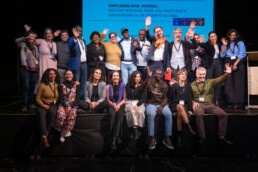
Employability Day: crossing perspectives for an innovative response to a global challenge
EMPLOYABILITY CONFERENCE: CROSSING PERSPECTIVES FOR AN INNOVATIVE RESPONSE TO A GLOBAL CHALLENGE
Ana Caruezo Carnero, science and social communicator.
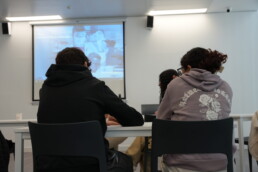
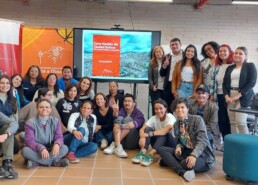
The conference “Youth Employability: Crossing perspectives for an innovative response to a global challenge”, organized by Nous Cims in collaboration with Second Chance Schools, Somos F5, Ayuda en Acción and Simplon.co, had as its purpose to become a space for meeting, exchange and reflection among professionals working in the field of youth employability. to become a space for meeting, exchange and reflection among professionals working in different fields of work. in different countriescountries in order to to improve training and employment opportunities for young people. and young people.
The meeting focused on the need to accompany from an integral perspective: beyond technical training, it is essential to attend to the emotional well-being, concerns and life contexts of each young person.
Throughout the meeting, a deep conviction was shared: young people are trailblazers. Whether in St. Louis, Barcelona, Paris or Bogota, they share the same transforming force that invites them to cooperate, to cross perspectives and to weave an intercontinental network capable of proposing innovative responses to common challenges.
Putting young people at the center of change
The first block, “How to transform training to place young people at the center of change”, brought together different speakers who agreed on a key idea: young people are not beneficiaries; they are the protagonists of their own training and life process.
Rather than technical competencies, they stressed the need to work on the self: strengthening self-esteem, channeling emotions, building bonds, learning to work in a team and developing all those soft skills (soft skills) that support autonomy and a professional future. As Moussa Diop, CEO of GPES x Challenge Hub, expressed, “When you accompany young people you are looking at the short term, but always with an eye to the future.”
They defended a vision of education as a transformative process and not as the attainment of a degree, and of employment not only as a position to access, but as a way to build a life project: a path towards autonomy, dignity and social participation.
From this point of view, accompaniment must be respectful and not imposing. Only in this way can authentic motivations appear that allow each young person to trace itineraries that help them to grow, discover themselves and project themselves beyond the short term.
Shared challenges: building real bridges to the world of work
The second block addressed an urgent challenge: how to build solid bridges between education and the world of work. The speakers agreed on a clear diagnosis: the education system and the business system speak different languages.
Good practices were shared, focusing on an essential principle: in order to provide proper guidance, it is necessary to know the person (his or her life path, concerns and hopes) and to convert all this potential into a real asset for employability. It was also stressed that training and exploring new paths in life is always possible, if there is an ecosystem that accompanies, opens doors and makes young people feel capable.
Faced with this mismatch, the challenge is to build a solid and meaningful bridge between two realities that too often do not communicate in the same way. Bouna Kane, Director, SIMPLON.co Africa, commented:“We have trained more than 30,000 people, with an insertion rate of more than 90%. What are we doing to achieve this in Africa, being a poor continent? We have turned the tables, focused on the method and tried to replicate the business world in the classroom.”
And as Juanjo Berbel pointed out, work is flexible, changing. And that is why we must combine the 3 Cs:
- Knowledge: enhancing soft skills, 7 out of 10 companies value them above technical knowledge.
- Co-responsibility: demand transparency and inclusion from companies, and openness to the world of work from the education system.
- Cooperation: building alliances based on experiential learning, practical itineraries and shared challenges.
Looking ahead: innovation, impact and opportunities
The third block, dedicated to innovation and impact assessment, highlighted how both elements become key drivers for improving youth employment opportunities.
Innovation (technological, social or methodological) generates education and training needs, creating new professional profiles and opening paths that did not exist before. This makes it a window of opportunity for young people. At the same time, innovations provide competitive advantages that make them attractive to the market, generating spaces where young people can stand out and build trajectories with greater projection.
The speakers also underscored the value of impact evaluation as a collective learning tool that makes it possible to continuously improve programs, adjust interventions and ensure that they respond to the real needs of young people and the territories.
A global network to move towards fairer employability
The day concluded with a shared reflection: the challenges facing young people in the North and South of the planet share common roots, even though they are expressed in different cultural contexts. Unlearning imaginaries, listening, sharing and co-creating were revealed as essential ingredients of social innovation.
As a result of the connections created during the day, the creation of an international coalition for youth and social innovation was announced, aimed at continuing the exchange of experiences, identifying replicable innovations and promoting new partnerships to drive systemic change.
As Astrith Johana Armijo, coordinator of the Red Juvenil Chocoanas de Colombia, said: “Networking is much more powerful and the fruits that we can harvest are much greater”.

Conflict as an opportunity: 4 workshops to transform the way we look at things
CONFLICT AS AN OPPORTUNITY: 4 WORKSHOPS TO TRANSFORM THE WAY WE LOOK AT IT
Ana Caruezo Carnero, science and social communicator.
Conflict is present in the daily life of any educational community. Far from being understood only as an obstacle, it can become an engine for growth, cohesion and learning when it is approached from a careful and conscious point of view.
With this approach, the KOA conference “The opportunity of conflict: opening up to others and building from a space of encounter” brought together professionals in an experiential space designed to deepen new tools, strategies and ways of relating to each other in tense situations.
Throughout the session, four workshops were offered, designed to provide practical resources, open spaces for reflection and accompany professionals in the construction of safer, more connected and collaborative environments. Below, we share the dynamics and main lessons learned from each one of them.
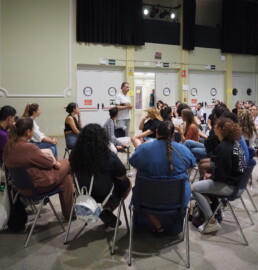
1. Tools for a new perspective (The Elder Way)
This workshop had a clear objective: for participants to take away practical tools to work with conflict as an opportunity for connection and growth. The session began with a dynamic to identify the different roles that arise during a dispute, allowing each person to recognize their own tendency.
Subsequently, they worked with practical cases in small groups. Using a worksheet, the professionals analyzed a conflict, which facilitated guided supervision. The reflections were shared in groups, enriched with feedback from the facilitators, closing with conclusions that helped to consolidate the lessons learned. The key was to move from theory to practice, equipping the professionals with a method applicable to their daily reality.
2. Conflict facilitation workshop (Marina Caireta)
Practical dynamics to represent and reflect on the reality of a conflict and what strategies we use to reach agreements and solve them in an experiential way.
The dynamic consists of:
A volunteer leaves the space and the facilitator gives her the premise that she must sit in a chair and that she cannot get up, no matter what. There are no further instructions. The facilitator returns to the group and before the volunteer enters, she tells the group that her goal is for everyone in the group to sit in the chair at some point. There are no further directions. The idea is that, with different objectives, all parties achieve their goal.
The facilitator should be writing down on a piece of paper what strategies they use (conciliatory, attack, defense, blackmail, etc.) so that the objective of both parties is achieved and so that they can return to the group to encourage reflection. During the dynamics, you should intervene as little as possible. If you are asked questions, you should not facilitate a quick conciliation, because the longer you stay, the more strategies and resources can come to light to work on later. The dynamic can take as long as you consider, but once you have managed to get the volunteer to let someone from the group sit down, it could be finished, depending on the time you have. This part can take approximately 20-30 minutes.
Afterwards, the dynamics can be closed by making different reflections, such as power in relationships (which can vary, and can have a great influence on whether or not the objective is achieved), the conflict matrix can be raised, which depends on the quality of relationships (it depends on trust and cooperation), communication, etc.
3. Non Violent Communication (NVC) with the giraffe and the jackal (Carme Pujol and Julia Peris).
In this Nonviolent Communication workshop, the metaphors of the giraffe and the jackal, created by Marshall Rosenberg, were used. The jackal represents critical and judgmental language, while the giraffe symbolizes empathetic and respectful communication.
Through these two stuffed animals and real examples, the facilitators explained the basic steps to transform our way of communicating. They proposed a practical dynamic in which the participants, in small groups, worked to change a “jackal” language to a “giraffe” one. The objective was to foster respect for oneself and for others, learning to express needs and emotions in a clear and constructive way, without attacking or judging.
4. Restorative practices with projective cards (Òscar Negredo)
This session introduced the use of projective cards as a tool to facilitate spaces for introspection and to accompany the identification of emotional states in adolescents. These cards can be used in different moments of a session so that each person can connect with their emotions and express them.
The dynamic consisted of spreading the cards on the floor and posing an open-ended question, such as “What do you expect from this course?” or “What do you need in order to feel comfortable in this space?” Participants walked around, looked at the images, and chose the one that best represented their answer. Finally, in a round robin, each shared why they made their choice.
Òscar shared some tips to energize the activity:
- Create an environment of trust and security.
- Formulate open-ended questions that invite reflection.
- Remember that there are no right answers, only personal perspectives.
- Validate all contributions to strengthen participation.
This workshop offered a very visual and creative resource to foster spaces of expression where all people involved in a conflict have a voice.
Towards constructive conflict management
These four workshops demonstrated that a constructive approach to conflict is possible. With the right tools, professionals can transform moments of tension into opportunities to strengthen bonds, foster self-knowledge and accompany adolescents in their emotional and social development.
If you are interested in this type of resources to energize your sessions with teenagers, in the free digital space of KOA you will find many more!
Invisible barriers in access to education
INVISIBLE BARRIERS IN ACCESS TO EDUCATION
Ana Caruezo Carnero, science and social communicator.
Education is a lever of changelever of change. A lever that should have everyone should have, pBut sometimes, we come up against invisible barriers: social, economic or cultural obstacles that, although you may not see them, can be you may not see thembut they have a huge impact on the opportunities of thousands of young people.
What exactly are invisible barriers?
We are not talking about physical walls, but about ideas, prejudices or systems that we take for granted and that, unintentionally, leave many people behind. They are those little things that, added together, create a mountain that is difficult to climb for those who seek to train and build their future.
Think of them as undercurrents. On the surface, the sea may seem calm, but underneath, you are swept away without even realizing it. These barriers work the same way, they are so integrated into our daily lives that often neither the people who suffer from them nor those who generate them are aware of them.
They can take many forms:
- Social and cultural: Expectations about what you “should” study according to your gender or your origin. Or the lack of references in certain professions that make you think: “that’s not for people like me”.
- Economic: It’s not just not being able to pay tuition. It’s not having money for transportation, for books, or having to drop out of school to work and help out at home.
- Attitudinal: Prejudices of teachers or peers who may assume that a student will not be able to go far. It is the famous “Pygmalion effect” in negative: if they expect little from you, you may end up underperforming.
- Institutional: Class schedules that are not compatible with a job, complicated and unaccompanied bureaucratic procedures or lack of support for students with specific needs.
The real impact of what is not seen
Imagine a young woman with a passion for technology who never considers studying engineering because in her environment “that’s a boy thing”. Or a student who can’t afford to go to college because he lives in a rural area with poor communications and the cost of transportation is too high.
These barriers are not abstract; they have very concrete consequences in the lives of young people. They limit their dreams, condition their choices and, in the worst cases, force them to drop out of school.
How can we get rid of these barriers?
Breaking down these barriers requires a collective effort and an attentive eye:
Making education systems more flexible and adaptable
Life is not a straight path, and neither should education be. We need more flexible systems that adapt to the realities of each person. This can mean:
- Offer scholarships that cover not only tuition, but also transportation, materials and lodging.
- Design schedules that are compatible with work life.
- Simplify administrative procedures and offer assistance in carrying them out.
Training and sensitizing educational personnel
Teachers are a central part of the system. Giving them access to personalized academic guidance training allows them to apply this approach throughout the entire educational stage, helping their students to connect their interests and motivations with their future career.
An aware teacher, with the tools to detect prejudices (often unconscious), can identify these barriers and become a real agent of change in the classroom.
Encourage diversity of references
It is essential for young people to see that any path is possible, no matter who they are. Making professionals from diverse backgrounds visible in all fields inspires and breaks stereotypes. It is about broadening our vision and showing that talent has no labels.
Create support and mentoring networks
Sometimes what a young person needs most is someone who believes in them. Reference figures can be a crucial factor in their lives. So it is key to generate spaces where these bonds can be born and grow.
A path that we build together
Overcoming invisible barriers is a challenge that involves institutions, companies and social entities as well as citizens. It is a matter of listening more, judging less and asking ourselves what we can do to make the path of others a little easier.

Benefits of the family-school bond
BENEFITS OF THE FAMILY-SCHOOL BOND
Anna Fillat and Cristina Morató, KOA Program Technician and Project Manager Komtü Program
How can we strengthen the links between families and teachers?
How do educational teams perceive the effort and involvement of families in their children’s learning?
Can a closer relationship between family and school reduce absenteeism and improve educational success?
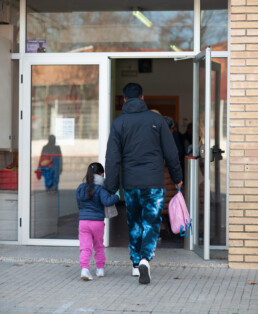
These are some of the questions we ask ourselves from the Komtü program and the KOA program of the Nous Cims Foundation, because we know that the collaboration between school and family is key to the emotional and academic well-being of children and adolescents.
This article aims to contextualize the importance and benefits of the bond between the child and his/her family, as well as to offer key tools so that the school can generate changes in its dynamics and reinforce a closer and closer relationship with the families.
Family-child bond
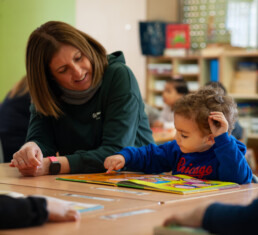
Human beings are social beings since we are born. The first relationship is the affective bond that the child establishes with the family, with the mother, father or the person who dedicates more hours to him/her (Ramos and González, 2017); through which he/she will learn the first words and the first behavioral guidelines.
The family plays a fundamental role in the formation of the child’s values, attitudes and habits. It is in this environment where they receive their first experiences and establish their first relationships, which will become the basis of their future interactions. In addition, the family is the main transmitter of culture and values. Later, in a second phase of socialization, the child will be integrated into different social groups and will establish constant relationships with other people, since he/she needs the company and interaction with others for his/her development. In this process, other social agents will intervene, such as the school or peers, who will assume, to a greater or lesser degree, part of the educational responsibility that initially corresponded to the family.
Benefits of the family-school link
The links between families and schools are not always easy, but they share a common goal: the well-being of children. The responsibility of both agents is fundamental. According to Ortiz (2011), cited in De León (2011, p. 3): “The school alone cannot satisfy the training needs of citizens, but the organization of the educational system has to count on the collaboration of fathers and mothers, as primary agents to education.”
According to Avvisati and other authors (2009), when conceptions, experiences and practices within the school leave behind the division between teachers and families, the school experience improves significantly and academic results tend to advance. Thus, the school and the family cannot exercise their educational function in isolation; it is essential that they work together.
Jordi Collet and Antoni Tort, in their book “Escuela, familia y comunidad” (2017), describe five barriers that hinder the relationship:
- Consider that families and the community are not part of the school.
- Believing that teachers have the absolute truth about education and communication.
- Failure to include family cultural diversities.
- Not taking into account less communicative or less visible families.
- Failure to understand the social inequalities of families as a major barrier.
These difficulties are a reality in many schools and pose a challenge for schools, which have a responsibility to foster closer collaboration with families.
In this line, González-Pienda et al. (2002) affirm that the involvement of families in their children’s education positively influences their school performance: “Children whose families are involved in their education tend to have better academic performance, higher self-esteem and a more positive attitude towards learning. When families are involved in their children’s school life, they send a clear message that education is important and that they are committed to their children’s success. This involvement also fosters a trusting connection.”
According to Garcia-Bacete (2003), family involvement in school has a direct impact on children’s academic performance. In his study, it is shown that students with better results are those who have received more family support, a fact that favors a greater link between families and schools.
It is therefore essential to make families and teachers aware of the importance of carrying out this collaborative work. For this reason, we propose a series of tools, resources and activities that can be implemented at school, ensuring accessible schedules for families with work or personal responsibilities and taking into account the family diversity present in schools.
Tools and resources to promote the family-school link
- Welcome and information for families
- Incorporate into the Welcome Plan spaces and actions to make known the channels of communication and participation of families in the life of the center.
- Facilitate knowledge of the center through guided tours, open days and information on educational projects.
- Create a welcome document with useful information for families, accessible from the center’s website and delivered at the first moment of arrival.
- Support and referrals for newcomer families
- Buddy Project: Assign an experienced family to newly arrived families, preferably with a similar background and language, to facilitate adaptation.
- Incorporate people from the same migrant community as references for families and newly arrived students, especially to explain the educational system in the different stages and at times of transition.
- Meeting and exchange spaces for families
- Organize experiential workshops where fathers and mothers can experiment, readjust actions and talk about aspects applicable to the education of their children. Where to detect possible family needs and expectations.
- Create spaces for exchange among families to discuss and share educational strategies, experiences and resources related to the education of their children.
- Promote forums and virtual spaces for the exchange of opinions to encourage communication between families and the center.
- Training and education for families
- Offer conferences and workshops to raise awareness, inform and reflect on different educational topics.
– Promote educational debates with the participation of families, teachers and other professionals in the educational field. - Develop training programs for families, giving them tools to support their children’s learning and development at home.
- Organize training courses for the entire educational community.
- Forums in virtual spaces for the exchange of opinions.
We understand that the support that families receive from the school through these strategies allows them to develop their children’s potential and stimulate them to face new challenges. Therefore, families must be able to feel part of the learning process of their children.
For us the key is to start generating links from I3 with the objective of going in the same direction and adding to the development of the children. Cooperation between school and family is essential for the academic and personal improvement of students. The strategies mentioned above facilitate this collaboration, but success depends on mutual commitment and the creation of a space for dialogue where the contributions of all educational agents are valued.
References
Collet, J., & Tort, A. (2011). Famílies, escola i èxit: millorar els vincles per millorar els resultats (Vol. 87). Fundació Jaume Bofill.
Epstein, J. L. (2011). School, Family, and Community Partnerships: Preparing Educators and Improving Schools. Westview Press.
González-Pienda, J. A., Núñez, J. C., & González-Pumariega, S. (2002). Family involvement and school performance. Revista de Psicodidáctica, 7, 81-94.
Manjarrés Carrizalez, D., León González, E. Y., & Gaitán Luque, A. (2017). Family and school: opportunity of formation, possibility of interaction. Universidad Pedagógica Nacional.
Muñoz, M. C. (2009). The importance of family-school collaboration in education. Innov. Exp. Educ. , 16, 1-9.
Ramos, Y., & González, M. (2017). An approach to the educational function of the family. Cuban Journal of General Comprehensive Medicine, 33(1), 100-114. Recuperado de http://scielo.sld.cu/scielo.php?script=sci_arttext&pid=S0864-21252017000100009
Rivas-Borrell, S., & Ugarte-Artal, C. (2014). Teacher training and participatory culture of the school: keys to promote family-school participation.
Robles-Moreno, V., Arroyo, A., Mesa, J. (2024). Participation at the origin. aFFaC. https://affac.cat/affac/participacio-origen/
Guides
Robles-Moreno, V., Arroyo, A., Mesa, J. (2024). Participation at the origin. aFFaC. https://affac.cat/affac/participacio-origen/
Decolonial thinking, systemic thinking and international cooperation: reflections on the possibility of uniting these worlds through the Model Zones approach.
DECOLONIAL THINKING, SYSTEMS THINKING AND INTERNATIONAL COOPERATION: REFLECTIONS ON THE POSSIBILITY OF UNITING THESE WORLDS THROUGH THE MODEL ZONE APPROACH.
Carolina Aranzazu Osorio, Country Representative, Nous Cims Foundation in Colombia.
“When a system is far from equilibrium, small islands of coherence in a sea of chaos have the capacity to lift the system to a higher order.”[1] The system is a system that is far from equilibrium.
To have an ethical position based on deep discomfort[2] about racism, classism and other colonial legacies, and to work in the international cooperation sector – which various critical views of the global south make us understand as a form of neocolonialism – seems a great contradiction.
Thus, from the contradiction, unraveling questions that I have been asking myself for several years, how to approach the tension between naivety and hope, or rather, how to combat learned hopelessness, I will now offer some reflections, concepts, questions and ideas on how to travel this path.
The starting point (or the headlines that resonate the most): a world in chaos and international cooperation that has not generated the expected “impacts”.
Repositioning of the most radical right wing, inequality, polarization, regression in the rights gained, increase in migratory flows, what in prospective are called wild cards: pandemics, wars, environmental catastrophes. Total uncertainty!
The countries of the global south are facing highly accelerated changes, driven by the countries of the global north: the triple transition: digital, ecological and socioeconomic(Fundación Carolina and Oxfam Intermón, 2022). As UNDP states in its Human Development Report 2020 ¿ Why, despite all our wealth and technologies, are we so stagnant? Is it possible to mobilize action to address globally shared challenges in an intensely polarized world?
Following the collective fear generated by the covi-19 pandemic, UNDP in its 2020 Human Development Report was more radical, and put forward the following premises:
“In fact, the pressures we exert on the planet are already so high that scientists are studying whether the Earth has entered an entirely new geological epoch: the Anthropocene, the age of humans. This means that we are the first people to live in an era defined by human choices, in which the dominant risk to our survival is ourselves.
To survive and thrive in this new era, we must chart a new path of progress that respects the intertwined destinies of people and planet, and recognizes that the material and carbon footprint of those who have the most is undermining the opportunities of those who have the least.”
Additionally (or precisely as part of the causes?), how we have done it in international cooperation has not worked. Although there are many valuable experiences of changes in the lives of people participating in different projects, international cooperation as a system has not been able to fulfill the promise of value that it abandons, it has not been able to have a collective impact or change the structures of the States “in developing countries”. After decades of investment in “transforming projects”, international cooperation has not ceased to be necessary… that is to say, it has not promoted structural changes.
This systematic way of operating of the Global North is replicated in the world system of international cooperation. The categorization of “developed countries”, “third world countries”, “developing countries”, “official development aid” serves this system and this vision of superiority.
As Professor Sergio Calundungo said in the course on Decolonization and NGOs (2024)[3], “we are part of a colonial machine” [] … NGOs become instruments of the system, we are functional because we put patches “to show how good we are”.
Amitabh Behar (2024[4]), executive director of Oxfam International puts it in a very interesting way in his article “How to get from rhetoric to reality in decolonizing development”:
The development sector is a mirror and reflection of how power is concentrated within a few groups in the global order, and cannot be separated from the broader political economy.
It is imperative that the global leadership of the [international development cooperation] sector channel positive momentum toward a shift in power by decolonizing areas such as organizational design and structure, the distribution of money, and the way knowledge and competence are valued. “Any effort toward decolonization that does not address the redistribution and equitable decision-making of financial resources (money) will remain an empty and hollow effort.”
Luciana Peker, Argentine feminist and journalist, makes us reflect in a cruder way when she analyzes the withdrawal of international aid workers from territories in crisis: “to be colonial and to erase oneself is to be doubly colonial” []… “Deconstruction is not destruction, especially in scenarios where the colonial presence was already exercised and territories were left devastated by poverty, inequality and lack of economic sovereignty and with weak democracies” (Peker, 2024[5]).
In this bleak context, it seems that we are living a civilizational crisis. That as he quotes the adaptation of the old phrase the master Aníbal Quijano in his article the windmills of Latin America, “the new has not finished being born and the old has not finished dying”[6].
Concepts that help me to problematize the desolation and discomfort, which bring in themselves, proposals for transformation: decolonial thinking, epistemologies of the south, epistemic justice, intercultural translation and ecology of knowledge.
Beyond the complaint, fortunately we still find social, academic and political scenarios where we can breathe hope and love and, above all, where we find new lenses not only to problematize, but also to think of possible ways out. Perhaps not to concrete solutions, but to countless possibilities to move our lives and our work in a more coherent and inspiring way.
Hence, frameworks of thought such as decoloniality and complexity theory resonate in my head as the answers I have been searching for. In this sense, Sousa Santos (2018) puts forward a set of premises that I find absolutely illuminating:
- We must be aware of the fact that the diversity of world experience is inexhaustible and, therefore, cannot be explained by a single general theory: the Eurocentric view of how the universe and societies work (or in this author’s words, Dominant Epistemologies of the Global North).
- From the point of view of the Epistemologies of the South, the Epistemologies of the North have made a decisive contribution by turning the scientific knowledge developed in the global North into the hegemonic way of representing the world as their own and transforming it according to their own needs and aspirations. In this way, scientific knowledge, combined with superior economic and military power, guaranteed the global North imperial domination of the world in the modern era up to the present day.
- The cognitive experience of the world is extremely diverse and the absolute priority given to modern science provoked a massive epistemicide (the destruction of rival knowledges considered as non-scientific), which now demands to be repaired. As a result, there is no global social justice without global cognitive justice.
- It is also necessary to assume that our time is a period of unprecedented transition in which we face modern problems for which there are no modern solutions..
In this scenario, the concept of Epistemologies of the South (also coined by Sousa Santos) makes complete sense: “Epistemologies of the South refer to the production and validation of knowledge anchored in the experiences of resistance of all social groups that have systematically suffered injustice, oppression and destruction caused by capitalism, colonialism and patriarchy. The aim of the Epistemologies of the South is to enable oppressed social groups to represent the world as their own and on their own terms, for only then can they change it according to their own aspirations.”
To speak of epistemologies of the global North and the global South leads inescapably to speak of epistemic justice. “Epistemic justice consists of combating the forms of exclusion and silencing of non-Western knowledge, and promoting a horizontal dialogue between different knowledges, where no knowledge is considered superior to any other in a predetermined manner.” Epistemic justice is not only a recognition of those knowledges, but also an effort to rescue, revitalize and legitimize forms of knowledge that have been stripped of their value by global systems of power” (Sousa Santos, 2014).
Other authors such as María Lugones and Silvia Rivera propose other related concepts such as gender coloniality, epistemic intersectionality and epistemic plurality, where they delve much deeper into the intersection of gender, race and class and therefore, in the active valuation of other forms of knowledge produced by racialized people and women, especially those who are impoverished, indigenous or Afro-descendants. They propose then to value from oral narratives to spiritual practices, as essential to build a more inclusive and equitable knowledge, and therefore, to promote a redistribution of the power to produce it and legitimize it as valid.
From the above, new questions arise. If the epistemologies of the Global North seem so different and so distant from the epistemologies of the Global South, how to carry out a process of translation? How to build bridges to have other types of conversations between “these opposite worlds” that lead to different actions? It is here where other highly valuable concepts appear for this exercise of analysis in search of answers: intercultural translation and the ecology of knowledge.
Sousa Santos (2014) states that the ecology of knowledge and intercultural translation are “the tools that turn the diversity of knowledge into a powerful resource by making possible the expanded intelligibility of contexts of oppression and resistance”. For his part, Mandujano (2017) posits that intercultural translation is a tool for epistemic justice and is the means to arrive at an ecology of knowledges.
It is necessary and urgent to recognize that there are other systems of thought, other methodologies of research and knowledge generation (what María Lugones calls recognition of different cosmologies ). It is necessary to raise awareness, in the deepest sense of the word. We are missing out on the immense beauty and richness of the world by ignoring and making invisible the knowledge and wisdom of other cultures that have been historically dominated. Faced with the great complexity of today’s challenges, it would be short-sighted and unintelligent not to open our eyes and hearts to weave together the known and the unknown in order to achieve different things. To build a scenario where indigenous, Afro-descendant, peasant, peripheral urban cosmologies manifest themselves in their own ways, without being reduced to demonstrative events (exoticization of our culture).
Another important recognition is that we also need bridges, tools, translation exercises. When I speak of translation, I do not mean that “those of us from the South” should make the effort to make ourselves understood “with the interlocutors from the North”. I am referring then to understanding and adopting intercultural translation devices that allow us to really advance – dreaming that this is possible – towards an ecology of knowledge.
Again, from the tension between naivety and hope, we cannot fall into the trap of cultural appropriation, which ultimately translates into a tool of domination (Silvia Rivera Cusicanqui).
As Boaventura de Sousa rightly says, it is not a matter of seeking exact equivalences between concepts, but of constructing forms that allow, on the one hand, mutual understanding and, on the other, the coexistence of differences. I consider this substantive point, in a decolonial key, we coexist, we co-create, we do not impose “our truth” as unique, valid, legitimate and universal.
And in this complex process, I insist on recognizing that we are inhabited by contraction. Yes, because, although we have shared ideals and in theory we agree on some fundamental bases (life, the Well-Being or the GoodLiving depending on the place we inhabit), our mental configuration is crossed by the Western worldview… our system of law, our structure of “State”, our education, our media.
There is a gap, a disconnect. Just as our human body has had the same DNA for millions of years, our societies (our systems) have been operating with a similar mindset for the last century. And it turns out that both our bodies and our societies are facing threats, stimuli, phenomena and, in short, enormous challenges that have mutated dizzyingly in the last ten years.
The paradox is that we seek to address our health, our well-being and our major social challenges with the same tools and understandings that emerged from mental models of several hundred years ago. Hence, our proposals for change must bring other frameworks for thinking, other frameworks for learning and other frameworks for measurement. This is not merely an epistemic question (which is already profoundly important and necessary), it is above all an ontological question. The lenses through which we look at, understand and describe the world around us determine everything we promote.
This approach sounds rather abstract, ambitious, indeed, utopian. But for the purposes of this reflective exercise of writing, I would like to propose some ideas that I believe can guide the wonderful challenge of consolidating the model zones both in Colombia and in Senegal as an attempt to pilot a prototype of social innovation in the key of decolonization.
The Model Zones bet. A proposal for a different kind of international cooperation and a laboratory to test these hypotheses.
Fundación Nous Cims has opted for a strategy of geographical concentration in two countries: Senegal and Colombia, in which we will focus our efforts during a time horizon of no less than 10 years, in turn, in two specific territories.
The strategic framework of the international cooperation area (known as the Global Development area) challenges us to consolidate four “model zones”, two in each country. The model zones are configured as a long-term territorial focus -if we want to think of it as a macro program- that proposes its own governance scheme: thematic groups and a driving group made up of diverse actors, both public, social and private. There are no projects or lines of action designed a priori, everything must emerge from the theories of change that we build together in a permanent process of consultation, co-creation and knowledge management -or rather, ecology of knowledge-.
In principle, the foundations on which the model zone strategy is based are decolonial thinking and systemic thinking, as it proposes a paradigm shift in the way of doing “international development cooperation” as it seeks to subvert the historical relationship of donor-project implementers. In this sense, it proposes a redistribution of power and a real involvement of local actors in decision-making, in a logic of co-responsibility and agency.
Taking up Amitabh Behar’ s (2024) proposal to decolonize international cooperation through profound changes in i) design and structures, ii) distribution of money, iii) knowledge and competencies and iv) theory of change, I find it interesting to make a self-assessment exercise and an analogy with our model zone approach:
- Decolonize design and structures: We propose a governance specific to the model zones through thematic groups and motor groups. This is not a merely technical or operational structure; it is proposed as a strategic relationship scheme that dynamizes and promotes tools for the aforementioned intercultural translation and ecology of knowledge, and that, as an ultimate goal, contributes to acupuncture in local systems. That is to say, to contribute to generate changes in the quality of the relationships of those systems that make up the model zones.
- Decolonize money: the implementation of the projects and the dynamization actions of the model zones is done directly by the social organizations. Although Fundación Nous Cims is the financing entity, it does not implement, but only dynamizes and acts as a container to sustain the co-creation process. Additionally, the selected projects arise from the theory of change built by the local actors that have joined the process (through the proposed governance scheme).
- Decolonizing knowledge and competencies: We have the challenge of generating a simultaneous process of knowledge management that is truly specific to the model zones and the actors involved. Hence, thinking about methodologies and tools such as dialogue of knowledge, decolonial language and communication, graphic documentation and community communication, among others, is part of the monitoring and collective learning exercise.
In addition, the indicators that will trace this monitoring will be agreed with the local stakeholders involved in the construction of the theories of change for each model zone.
4. Decolonizing the theory of change: “Addressing this issue would mean reversing the power dynamics in the development sector by envisioning a “theory of change” in which ideas, designs and decision-making are bottom-up. This change cannot occur in isolation and would have to be accompanied by the above points about decolonizing money, structures and knowledge.” . Particularly on this point, I consider that the Model Zones are a laboratory for this purpose. Before implementing specific projects, the actors involved in the governance of the model zone will work both in the diagnostic phase and in the construction of the theories of change for each line of work as a gateway to the system where it is inserted (nutrition, education and employability and youth inclusion). The Nous Cims Foundation team does not propose a priori logical frameworks. Everything arises from the co-responsibility and involvement of the members of the thematic groups and the driving groups.
This proposal, which is quite inspiring for its novelty in the way it promotes processes financed by international cooperation, also raises quite challenging questions: How to achieve it? How to sustain this type of process over time, with a truly participatory and decolonial approach if one of the legacies of Western thinking is precisely to have a linear, academic and fragmented way of thinking?
It is a challenge to recover the common sense (that the ancestral peoples of different parts of the global South have) about systemic thinking and interdependence. Once again, concepts appear that are paving the way towards some answers: systemic thinking and U Theory.
Although these concepts provide a much broader reflection, perhaps for another article and several academic theses, in this last part I will try to mention the most revealing elements for me, as they suggest totally transgressive frameworks of thought and design, useful for our great task of consolidating the model zones[7]:
- The quality of the results of any kind of system is a function of the quality of the relationships between the stakeholders that comprise it. And to change the quality of the relationships, we need to change the mindset from a “silo view” to a systems view, we need to change the consciousness from an ego-system focused view to an eco-system focused view.
- “You cannot change a system, until you transform consciousness” In other words, “you cannot change a system until you transform the mentality of the people who are making that system a reality “.
- Both leadership and change have an invisible dimension. If we want to change results, we must change the quality of relationships. . To achieve a change in relationships (behavioral changes) we need a support structure, tools that accompany the path to this transformation, to build collective capacity.
- The social field: is the quality of the relationships between the stakeholders of a system that collectively generate X or Y results. Hence, the energy should be focused on changing the quality of the social field from a toxic one to a co-creative one, from a merely transactional one to a transformational one.
Thinking about the role that model zones could play in the local systems where they are inserted, they could effectively be small islands that contribute to their evolution towards their best future potential.
By diverting attention away from the pursuit of big change and instead targeting small strategic achievements, these change agents operating within companies [for our case, operating within the Model Zones process] demonstrate possibilities for a better future. (World Economic Forum, 2024[8]).
A conceptual and methodological framework that is quite powerful for its level of depth, and that could help us move towards these strategic achievements or the consolidation of these fertile and healthy grounds, is the U-Theory .
Theory U was developed by the academic Otto Scharmer, and seeks to facilitate processes of deep change and transformation in individuals, organizations and societies. Essentially this theory focuses on the ability to “witness” and co-create emerging futures through a process of connecting with deeper sources of knowledge and creativity.
In this journey of collective construction, learning to deepen the levels of listening is the key. He invites to generate meaningful dialogues where egos and control can be transcended to let the new and the unknown emerge. Before moving to action, he proposes to allow emerging ideas and solutions to manifest and take shape. Once the deeper ideas that emerge from a system that has gone almost the full path of the U (four levels of listening) move to the co-creation and prototyping phase. In our language move to the phase of concrete projects of the model area.
In the context of decolonization and intercultural translation, Theory U can be a powerful tool for facilitating authentic dialogues between the diverse actors in the thematic groups and the driving groups in the model zones, to overcome cultural barriers and co-create solutions that honor diverse perspectives and foster a true ecology of knowledge.
The call to action to the actors who are part of this strategy is to have the courage and to have an open mind and heart to listen at deeper levels and to act concretely on issues that are truly significant for people’s lives. To paraphrase Otto Scharmer, to lead from the future that is emerging from our maximum potential.
Finally, as a reminder to keep fighting learned hopelessness: To remind ourselves of the power of small revolutions, of how exciting our work can be in laying healthy ground for creativity, innovation and mutual care for those who join in the collective long-term commitment.
Bibliography
- Behar, Amitabh. 2024. “How to get from rhetoric to reality in decolonizing development.” Devex, February 14. https://www.devex.com/news/opinion-how-to-get-from-rhetoric-to-reality-in-decolonizing-development-107045.
- Calundungo, Sergio. 2024. “Decolonization and NGOs course.” Clacso and The Sherwood Way.
- World Economic Forum. 2024. “3 labor trends.” Weekly newsletter, issue #29. https://www.linkedin.com/pulse/3-work-trends-issue-29-world-economic-forum-yrzge/
- Fundación Carolina and Oxfam Intermón. 2023. The triple transition. Cross visions from Latin America and the European Union. Madrid: Fundación Carolina. https://www.fundacioncarolina.es/catalogo/la-triple-transicion-visiones-cruzadas-desde-latinoamerica-y-la-union-europea-2/
- Lugones, María. 2003. “Pilgrimages/Peregrinages: Theorizing Coalition Against Multiple Oppressions.”
- Mandujano Estrada, Miguel. 2017. “Epistemic justice and epistemologies of the South.” Oxymora. International Journal of Ethics and Politics 10: 57-76. https://revistes.ub.edu/index.php/oximora/article/view/18990.
- Peker, Luciana. 2024. “Feminism and ghosteo.” Introductory course Decolonization and NGOs, cohort 2024. Clacso and The Sherwood Way.
- UNDP. 2020. The next frontier: human development and the Anthropocene. United Nations Development Programme. https://hdr.undp.org/system/files/documents/hdr2020pdf.pdf.
- Rivera Cusicanqui, Silvia. 2010. “Ch’ixinakax utxiwa: A reflection on decolonizing practices and discourses.”
- Santos, Boaventura de Sousa. 2014. Epistemologías del Sur: Perspectivas. Buenos Aires: Siglo XXI.
- Santos, Boaventura de Sousa. 2018. Epistemologías del Sur. Madrid: Akal.
- Scharmer, Otto. 2016. “Theory U: Leading from the future as it emerges.” Barcelona: Editorial Eleftheria.
- U-lab. 2024-2025. “Leading From the Emerging Future.” Cohort 2024-2025. Presence Institute, developed and hosted on the Massachusetts Institute of Technology – MIT platform.
[1] Nobel Laureate, Ilya Prigozhin, quoted by Otto Scharmer in the U-Lab course Leading from the Emerging Future, cohort 2024.
[2] I have not directly embodied discrimination or violence because of my skin color or ethnicity, but I can enunciate myself from class consciousness, being a “lower class -now, emerging middle class- woman from Colombia” who has achieved social mobility thanks to public education, a great personal effort, and most certainly, the support of my mother and many other women.
[3] Introductory course Decolonization and NGOs, first cohort 2024. Promoted by Red AcapaAcá (formerly The Sherwood Way) and Clacso.
[4] Executive Director of Oxfam International. See full article here.
[5] Text read by the author during the introductory course Decolonization and NGOs, first cohort 2024. Promoted by Red AcapaAcá (formerly The Sherwood Way) and Clacso.
[6] Adapted from a phrase of the Marxist philosopher and theoretician Antonio Gramsci. Taken from the article Don Quixote and the windmills in Latin America, Quijano, 2005.
[7] Excerpts from the U-Lab course Leading from the Emerging Future, cohort 2024, based on the book Theory U by the same author Otto Scharmer.
[8] Weekly bulletin “3 labor trends”, issue 29.
Lack of adulthood or absence of youth? Rethinking the accompaniment of young people
LACK OF ADULTHOOD OR ABSENCE OF YOUTH? RETHINKING THE ACCOMPANIMENT OF YOUNG PEOPLE
Sara Ortega, Project Manager Accompaniment and Caterina Ponte, mentoring technician of the Zing program.
There are various professional profiles in the employability improvement programs that develop the function of accompanying the life itineraries of young people. If there is one thing that all the profiles have in common, it is that they share a privileged place from which to stimulate young people in learning how to make their own decisions and face their own life challenges.
These itineraries are not simply linear trajectories towards labor market insertion, but profoundly human, performative and transformative experiences that affect, in multiple dimensions, the way of being and existing of those who follow them. In this process, they not only acquire skills or technical competencies, but also reconfigure their identity, question their social roles, and rediscover their place in the world. Recognizing these itineraries as living and dynamic processes also requires an approach that values the uniqueness of each story and the diversity of experiences, allowing young people to be protagonists in the construction of their own journey towards a meaningful future.
We hope that, through this reading, we can pause for a while in the practice of accompanying young people, allowing us to rethink our praxis. The objective: to promote the use of simple tools, questioning and listening, aimed at fostering the humanization of accompaniment and the protagonism of the young apprentices in their processes of development and creation of an integral life project.
To speak of youth is to enter a terrain full of potentialities, contradictions and possibilities. However, the way in which society, and in particular programs aimed at young people, perceive them is often marked by an adult-centric view that reduces their experiences to a transition to a “full” adulthood. This adulthood is defined under standards inherited from previous generations, which respond to a life model that is no longer always functional or applicable in the current context. These standards, based on linear and predictable trajectories (such as access to formal education, obtaining a stable job and achieving well-defined biographical milestones), clash with a contemporary reality characterized by the speed of change, job insecurity and generalized uncertainty.
In this context, young women not only face pressure to meet the expectations of others, possibly internalized, but are also faced with the task of reimagining and constructing new ways of narrating their identity and life projects. These new narratives require flexibility, openness and a critical eye to challenge the impositions of obsolete models, while recognizing the multiple ways in which youth live, create and resist in a constantly evolving world.
Youth, when we move away from this view of “lack of adulthood” and recognize it as a stage of its own and complete in itself, is curiosity, creativity, desire to learn and transforming force. Focusing on what young people are allows us to recognize them as agents of their own itineraries. Under this perspective, the young person ceases to be merely a learner, to become someone who teaches us to “think and look from another point of view”. According to Garcés (2020), “the learner is a point of view that makes us discover that the learning we do shapes the worlds we share. Their experience is not separated from the world, but fully traversed by its social, political, economic and labor determinations, and in tension between them.”
This recognition implies understanding that itineraries are not only individual trajectories, but processes that are deeply intertwined with the social fabric of which they are part. Thus, when young women trace their own paths, they not only transform their personal lives, but also impact and re-signify their communities, contributing new ways of thinking, doing and building.
Being agents of their own itineraries means providing young women with tools, but also with the space and legitimacy to decide, make mistakes, learn and create. From this perspective, accompaniment is not limited to guiding them towards a pre-established objective, but becomes a relationship where the girls lead the process and the professionals stand by their side as allies. The practice thus becomes an exchange of learning, a reciprocal activity, and not an action on a subject/object that plays a passive role.
This double transformation, of their own lives and of their contexts, positions youth not as a future under construction, but as a present full of action. It is at this intersection between the personal and the collective that their true potential lies, and where accompaniment acquires a profoundly transformative value.
In this sense, accompanying young people implies a dialogic practice that provokes reflection and decision making. The dialogue process is premised on the recognition of the young person as a free, critical being with the potential for responsibility. In this framework, responsibility can manifest itself in different ways: sometimes as a conscious responsibility, where the individual assumes and exercises this quality intentionally, and other times as a potential responsibility, where the person, being unaware of his or her responsible capacity, is in the process of discovering and developing this competence. In this way, the establishment of a dialogue would become the humanizing ingredient of accompaniment.
However, in order for the design of co-constructed life itineraries to be possible through dialogue, it is essential to take care of the elements that configure it: the question and the present listening .
The question
Questioning is much more than a technique of accompaniment: it is an act of recognition (Honneth, 1992). Asking implies assuming that the other person has an answer, even if he/she has not yet formulated it. Instead of acting as experts who impose their vision, we professionals must position ourselves as co-explorers of the path, guiding the young women to discover their own answers and meanings. This accompaniment not only recognizes their capacity to decide, but also activates analytical thinking by integrating a deep reflection on the context in which they find themselves. The act of questioning becomes a tool to enhance the experience of self-efficacy about their life, while fostering their ability to make informed and conscious decisions in the present and the future.
Well-designed questions have the ability to foster critical thinking. When a young woman is invited to question her decisions, imagine alternatives and evaluate risks, she is not only moving toward employability, but also developing fundamental life skills. This does not mean that accompaniment is no longer necessary, but rather that it becomes a guide.
How to train the question? Asking questions is not a spontaneous act; it requires practice, intention and sensitivity. We share some tips on how to train it:
Know before you ask.
A good question starts from a genuine understanding of the young person’s context. You can’t ask “What motivates you?” if you haven’t spent time getting to know what their interests and concerns are.
2. Open-endedquestions.
The open-ended question acts as a catalyst for self-knowledge and the development of metacognitive skills in young women. Through questions such as “What do you wish for yourself?” or “How do you imagine your future?”, we not only help them identify their goals, but also provide them with a space of connection with their desires that encourages them to recognize themselves as active agents in their own lives.
3. Avoid leading or leading questions.
Questions such as “Why didn’t you take advantage of this opportunity?”, generate a defensive reaction, while “At the time, what prevented you from taking advantage of this opportunity and how could we work together now?”, encourages collaboration and trust.
4. Adapt the language.
Questions should resonate with the way the young woman expresses herself and understands the world. Using an approachable and respectful tone is as important as the content of the question itself.
Present listening
In the discovery of answers through questions, our present listening becomes the fundamental catalyst of human dialogue. Asking questions without being willing to listen vitiates the question, as it deprives it of curiosity and genuine interest. When the companion listens, the bond between companion and young person is strengthened, generating a safe space of trust necessary for openness and sincerity. Listening, being present, consists of wanting to attend to the experience of the other in a conscious and empathetic way. It implies that there is no judgment, no transfer of responsibilities, and no attempts to shape the discourse.
We ask ourselves: how can we train present listening? To learn how to exercise it, we dare to share five good practices:
1. Empathetic listening
Listening from the other person’s place allows us to better understand their emotions and points of view. We could say, “You seem to be frustrated by this situation, do you want to tell me more?”, thus showing more empathy and curiosity.
2. Listening without judgment
Suspending judgment in conversation creates a safe space. An example would be to avoid critical and closed responses, opting for comments such as, “I understand that was difficult for you, how do you think we could handle it together?”.
Another exercise would be to decrease the halo effect. The Halo effect is a cognitive bias that leads us to evaluate a person in a generalized way based on a single positive or negative characteristic. To mitigate the Halo Effect in our interactions we can: 1) Recognize the bias: be aware that this bias exists and can influence our judgments. 2) Gather objective information: base our evaluations on concrete, observable data, rather than subjective impressions. 3) Separate qualities: evaluate each characteristic of a person independently, preventing one general impression from affecting other assessments.
3. Listening with silence
Silence allows the girls to reflect and can therefore become an even more powerful tool than words. As chaperones, when it is time to ask a question, we can wait patiently without interrupting, allowing the young woman to find her own answers.
4. Listening with positive reinforcement
Statements such as “tell me more to get closer to how it is affecting you” or a simple nodding gesture help show interest and demonstrate that we are engaging in the dialogue. An example might be, “What you are saying is important, thank you for sharing.”
5. Listening with an exploratory attitude
To deepen the topic and avoid misunderstandings, it can be a good technique to ask questions to increase understanding. The practitioner could ask: “Could you explain a little more what you meant by…?” or paraphrase what the young person has said, rephrasing the words in a new way without changing the essence and meaning of the message.
Could accompanying through questioning and present listening be genuine strategies to put “youth” in our way of approaching the other?
Questioning and present listening recognize the value of silences, stumbles and stories that are often left out of the dominant narratives. We dare to investigate failures and to look carefully at those spaces where there seems to be no light, understanding that in these ignored corners may lie fundamental keys to re-signify and transform experiences, experiences and skills. Often, these remain hidden because young people have not given them importance, as they belong to “the sphere of the unvalued”: unknown aspects perceived as natural, automatic or everyday within their universe of competencies. However, making these apparently ordinary dimensions visible opens up the possibility of recognizing their true potential and of valuing them as significant resources in their personal-professional and community development.
Perhaps, while we insist that young people lack some “adulthood”, could we not ask ourselves if we are lacking a bit of “youth”, how do we maintain or recover that spark of youth? As professionals who accompany young people, do we really know how to put into practice the competence of “learning to learn”? Are we willing to learn together with them, from what happens and not from what we think should happen? Do we take advantage of those spontaneous and curious questions they throw at us to open spaces for mutual learning?
Understanding accompaniment as an act of living curiosity implies assuming the radical idea that each young person has the right to learn where to go, to do and to undo in the itinerary of his or her own life purpose/project.
Garcés, M. (2015). School of apprentices. Galaxia Gutenberg.
Honneth, A. (1992). The struggle for recognition: For a moral grammar of social conflicts. Ediciones Grijalbo.

Digital transformation starts with people: cultural change as a key pillar
DIGITAL TRANSFORMATION STARTS WITH PEOPLE: CULTURAL CHANGE AS A FUNDAMENTAL PILLAR
Xavi March, Corporate Director, and Guillermo Romero, Data Analyst.
In recent years, technology has evolved at a dizzying pace. Concepts such as generative artificial intelligence (AI), machine learning, blockchain, the metaverse or the Internet of Things (IoT) are redefining the way organizations operate and relate to their environment.
This pace intensifies the need for organizations to constantly update their technology in order to stay ahead of the curve. Despite this, technological transformation projects often focus exclusively on tools and platforms, forgetting an essential aspect: cultural change.
No digitalization project can achieve the expected success without a parallel development of the people who have to carry it out. Organizations have to adapt not only their tools, but also their perceptions, practices and ways of working. In the end, the determining factor for the success of a digital transformation is not only the technology implemented, but the people who are part of it.
Technological change is also a cultural change
When we talk about technological transformation, we often focus on the implementation of new platforms, software or management systems. However, the real transformation begins with the change of perception of the teams and the management of the organizations about the potential of technology in their day-to-day work. This cultural change involves breaking down traditional barriers, such as resistance to change, fear of losing autonomy or lack of confidence in digital tools.
Management has a key role to play in this process: leading by example, promoting a culture of collaboration, continuous learning and adaptability. According to Deloitte’s “Digital workplace and culture” report, organizations that prioritize the development of their teams during digital transformations experience a significant improvement in innovation and productivity.
Furthermore, as noted in McKinsey’s “Unlocking success in digital transformations” report, approximately 70% of technology initiatives fail to achieve their objectives because of a lack of cultural alignment and resistance to change. This data underscores the importance of approaching digital projects from a global perspective, including not only technology but also cultural evolution.
Preparing the organization for new ways of working
Adopting new digital tools does not simply mean implementing them, but also transforming how daily work is conceived, organized and performed. This evolution requires preparation and commitment at different levels.
First, it is essential to conduct an initial diagnosis of the state of the organization’s digital culture. This includes identifying which practices are already aligned with the new ways of working and which ones need to be evolved.
Next, it is necessary to involve the teams from the beginning of the process, listening to their needs and showing how technology can benefit their daily lives. This two-way communication is key for technology to support people’s needs, help identify problems more easily, enrich operations with more innovative ideas and foster a sense of ownership.
It is also essential that management and middle management become standard bearers for change. They need to lead by example, promote a culture of trust and allow teams to experiment with new tools without fear of error. This will help consolidate the new ways of working.
Finally, the organization must ensure continuous training, not only in technical aspects but also in transversal skills (soft skills) such as flexibility, collaboration and innovation. This investment in people will make it possible not only to adapt to change, but also to generate it proactively in the future.
People as a critical success factor
As we have highlighted above, the success of any digital transformation process depends to a large extent on the involvement of people. Teams, leaders and organizational culture are the real drivers of change, ensuring that technology is fully integrated into the day-to-day life of the organization and delivers real value.
When people understand the “why” of transformation, it is easier for them to actively contribute to the “how” and the “what”. This understanding generates commitment and facilitates the transition to new ways of working.
Leadership plays a decisive role in this process. Leaders not only have to embrace change, but also inspire and guide teams, communicating a clear vision of the shared benefits of digital transformation. This leadership has to be transversal, involving not only management but also all levels of the organization.
Finally, when an organization undertakes a change process of this magnitude, it is essential that it is aware of the added effort that this entails for people. Adopting new tools or processes implies a progressive adaptation, the temporary loss of some already acquired functionalities or even learning that until now was comfortable and efficient. These transformations may generate some discomfort and an extra burden, beyond the expected benefits that will be obtained over time. Recognizing this reality allows the organization to act with the utmost respect and care towards the team, establishing support mechanisms and planning actions to minimize the impact. At the same time, to sustain this change in the long term, it is vital to build a culture that prioritizes well-being and personal development. Beyond technological efficiency, it is important to emphasize how this efficiency can improve people’s daily lives, both internally and externally.
As we have done in Nous Cims
At Nous Cims, the growth of more than 60% of the team in the last three years has made evident the need to strengthen our digital culture to meet the challenges of an organization in constant change and adaptation to the strategic needs defined in the strategic framework. In this context, the Digital Strategy Council (CED) was created in 2023 , a key space to help define and promote a culture that puts people at the center of the digital transformation process. Special mention should be made of the fact that people from each area of the foundation and from different roles participate in this Council.
The council is not a space for decision-making or project execution, but acts as an engine to align technology with the culture of the foundation. This is a space for accompaniment and reflection where we work collaboratively to create the basis for a transformation that is inclusive, sustainable and aligned with the values of Nous Cims. To ensure this cultural approach, the board is organized into two main committees: the Communication and Training Committee and the Change Management Committee.
The Communication and Training Committee focuses on connecting people with digital projects, ensuring that information flows in a clear, accessible and bidirectional manner. Some of its initiatives include:
- Communication: We work to explain to the entire organization the digital updates, highlighting not only the technical aspects, but also the real benefits they bring in the day to day of the teams. This communication is done with a simple and close language to break any technical or conceptual barrier.
- Training: Specific training sessions are designed in conjunction with digital consultants to provide teams with the necessary knowledge for the proper use of new tools, promoting confidence and autonomy of people. In these sessions we not only seek to cover technical aspects, but also transversal skills such as collaboration and adaptability.
- Spaces for interaction and feedback: The committee is working to find spaces where teams can raise doubts, share concerns and make suggestions, helping to generate complicity and trust in the digital transformation process.
The purpose of the Change Management Committee is to accompany the organization in the change process, creating an environment that fosters adaptation and learning. Its main functions are:
- Perform diagnostics and follow-up: In this section, what are the main challenges and cultural barriers to digital change, as well as opportunities to strengthen the involvement of the teams.
- Creation of a culture of change: Through workshops, dynamics and specific materials, this committee contributes to building a digital culture where change is perceived as an opportunity and not as a threat.
- Personalized accompaniment: For new digital projects of the organization, tutorials are conducted to guide the promoters to see the fit within the current ecosystem and see the synergies between other options. At the same time, we are working on the figure of the digital mentor so that they are referents of each technology used within the organization.
With these approaches, we not only promote the implementation of digital solutions, but also work actively to create a participatory and future-oriented digital culture. This approach helps to ensure that the digital transformation process is understood as a natural and shared evolution, and not as a technological imposition.
With this approach, we intend that the digital transformation is not conceived as a simple investment in technology, realizing that its success depends on the ability of the foundation to align this investment with a cultural transformation. This requires not only an adequate technical implementation, but also an accompaniment to the people who are part of it, providing training, communication and support.
Innovation and digital transformation: challenges and opportunities: oikonomics
Unlocking success in digital transformations: McKinsey & Company
Digital workplace and culture: Deloitte
The levers of success in digital transformation: oikonomics
Digital transformation: Improving the odds of success : McKinsey & Company

Approval of new immigration regulations
APPROVAL OF NEW IMMIGRATION REGULATIONS
Laura Herrando and Marta Torrebadella, Project Manager and Labor Insertion Technician of the Zing Program.
Since the first law on the rights and freedoms of migrants in Spain was passed in 1985, the regulations on this subject have undergone substantial changes in parallel with the spectacular growth of migratory flows to Spain.
Last November 20, the new Alien Regulation was approved, including important modifications in the modalities of roots, family regrouping and access to visas and residence permits. It will enter into force on May 20, 2025. May 20, 2025.

What’s new in the new regulations:
Among the main novelties of this Regulation is the creation of a clearer and more accessible scheme for visas and residence authorizations. All initial authorizations will have a duration of one year, while renewals will be extended to four years, providing stability for both migrants and companies. The job search visa is extended from three months to one year, making it easier for people to find a job suited to their professional profile.
New categories of “arraigo” are created: social, socio-labor, family, socio-training and a new category called “arraigo de segunda oportunidad” (second chance arraigo). Authorizations derived from these categories will have an initial duration of one year, except in the case of family roots, which will have a duration of five years. In addition, the length of stay in Spain is reduced from 3 to 2 years.
Regarding family reunification, among other novelties, the age of the reunited children is extended to 26 years old (previously 21) and the possibility of including unregistered partners who can prove an analogous relationship is contemplated. The concept of regrouped family members is also extended to children and parents of victims of trafficking, sexual or gender violence.
Persons with study permits will be able to work up to 30 hours per week during their studies, and a smooth transition to a work permit at the end of their studies will be facilitated. A specific authorization for seasonal activities is also created.
The complete Regulations can be consulted at this link:
This regulation, even if it improves the current situation, will not immediately resolve the situation of irregularity in which thousands of people find themselves, and therefore we need effective mechanisms to welcome and comprehensively accompany migrants and refugees in their inclusion processes.
Together with Fundació Camins, we are carrying out a job placement project for young people in an irregular administrative situation and we have seen that the key to making a job placement project effective for this group is to be able to combine the 3 essential levers to formalize a contract that allows training or social rooting.
These levers are:
- Specific social and labor orientation
We need a personalized approach with professionals trained in immigration matters to design:
- Initial diagnosis: Evaluate the competencies, skills, interests and specific needs of each young person. Identify their educational level, previous work experience (formal and informal), administrative situation and support networks.
Individualized Plans: Design personalized itineraries that integrate training, development of skills and achievable professional goals, social needs and personal growth to achieve the holistic development of the person and promote their autonomy.
- Prospecting and labor intermediation
Alliances must be created with companies to promote inclusive hiring and to promote awareness campaigns to combat discrimination in the workplace.
- Legal advice
It is not only necessary to accompany the young person in his regularization process (accompanying him in all the small and complex bureaucratic procedures) but also the company in the whole process of hiring the young person due to the particularity of the same.
In addition to these levers, we must be part of Community Networks as an entity to encourage their participation in associations, NGOs and support spaces that promote their integration and with which we can share resources, tools and knowledge.
In our case, and with education as the driving force for change, we continue to support scholarships for young people in an irregular administrative situation so that they can access post-compulsory and professional training, with the firm conviction that, despite the obstacles they will encounter to formalize a contract, they will improve their level of employability and something not minor… they will “fill” the waiting time that the Immigration Department indicates that they must be registered in the country (since the new regulation 2 years), with the best of options: studying.
Academic and career guidance: from purpose to action
ACADEMIC AND CAREER GUIDANCE: FROM PURPOSE TO ACTION
Sofía Genta and Andrea Ortega, Project Manager and Vocational Technician.
“They gave us a lot of talks about whether we wanted to do Bachillerato or a Ciclo, and about having to choose what you liked. […] But they didn’t ask you personally, what do you like? What are your hobbies? […] They just saw the grades where you excelled and assumed you were going to do that.”
Excerpt from an interview with Bruno, a student of the Artistic Baccalaureate (Tarabini & Jacovkis, 2024).
AEP, an urgent challenge
When we talk about early school leavers (ESL), we often get lost among figures and statistics. However, behind every percentage there are stories like Bruno’s: young people who do not find their place in the education system or who do not receive the support they need to make informed decisions about their future.

Early school leaving persists as one of the main challenges of contemporary educational policy agendas, representing a central concern for the Catalan educational system. Despite general progress, Spain remains in a worrying situation, with notable disparities between autonomous communities ranging from 6.5% to 19.2% (INE, 2024). These differences highlight the need for customized solutions adapted to the local context, especially for those young people in a situation of educational vulnerability.
In Catalonia, the progress made is significant: we have gone from 33.2% school dropout rate in 2005 to 14.8% in 2023 (IDESCAT, 2024). This improvement, although notable, still leaves us far from the 9% target set by the European Union for 2030. As Tarabini and Jacovkis (2024) point out, these figures hide complex and diverse realities that require equally nuanced and personalized responses.
Academic and vocational guidance as a strategic vector in secondary education
Faced with this scenario, schools face the challenge of developing academic and professional guidance strategies (OAP) that go beyond specific interventions. The reality in many schools shows a fragmented guidance, limited to moments of transition and disconnected from the professional world. As Bruno’s initial testimony reflects, we need to go beyond the model of informative talks to build a deeper and more personalized accompaniment.
Educational guidance must be adapted to each stage of student development. In the early stages of kindergarten and primary school, the focus is on prevention and the strengthening of personal resources, anticipating possible difficulties and ensuring successful transitions. When reaching secondary school, without abandoning this preventive work, academic and professional guidance takes on special importance, requiring a continuous and proactive accompaniment that transcends specific interventions (Anaya, 2023). This evolutionary and sustained approach is essential to reduce early school leaving and ensure that more young people find their place in the education system.
This approach is supported by the current legal framework. The LOMLOE (2021) recognizes educational and vocational guidance as a fundamental right of students. This recognition is not merely declarative: the law establishes guidance as a shared responsibility between teachers, tutors and guidance professionals, in close collaboration with families.
The law, in force since January 2021, is based on three fundamental pillars: equity, inclusion and excellence. Together with Organic Law 3/2022 on the Organization and Integration of Vocational Training, it introduces significant measures to improve accessibility and equal opportunities, making educational itineraries more flexible and facilitating lifelong learning.
The Government of the Generalitat de Catalunya (2024), recognizing this need, is developing a new regulatory framework to strengthen educational guidance services. The new decree will seek to improve academic and vocational guidance through five fundamental lines of action:
- Personalized orientation for all students.
- Integration of guidance in the school daily life.
- Facilitation of educational transitions.
- Reduction of school failure and dropout rates.
- Optimization of resources allocated to guidance.
With a time horizon until the academic year 2030-31 and a planned investment of more than 232 million euros, this regulatory framework represents an opportunity to rethink and reorganize educational guidance in Catalonia, establishing for the first time a continuous process covering all educational stages. The new decree can be a good opportunity to rethink and reorganize educational guidance to meet the needs of the different stages and transitions of all students.
The importance of a guidance strategy in secondary schools
An effective academic and career guidance strategy is a fundamental tool to facilitate students’ transition to working life and prevent early school leaving. OECD studies (2024) reveal that young people who drop out of school face a higher risk of social exclusion, with significant difficulties in obtaining and maintaining employment, which can lead to long-term socioeconomic disadvantages. Paradoxically, this situation has a more pronounced impact on those most in need of support: socioeconomically vulnerable students are precisely those who encounter the greatest barriers to accessing quality guidance activities, thus perpetuating a cycle of educational inequality that must be broken as a matter of urgency.
Adolescence, as a stage of transformations and crucial decisions, requires an accompaniment that allows students to understand their interests, skills and values, linking them with the different academic and professional options available. This accompaniment must be based on a holistic view that considers the identity, interests, abilities and context of the students, generating spaces for reflection and trust based on affection and empathy.
So what are the key elements of an effective orientation strategy?
The educational center as a guiding ecosystem
Guidance should be part of the school’s DNA, being integrated into the School Educational Project (PEC) and transcending the exclusive responsibility of the guidance department. As argued by Manel Merino (2020), the success of guidance depends on the creation of an ecosystem where each educational agent has a defined and significant role in the guidance process.
Leadership and coordination
The management team plays a key role in establishing guidance as a strategic priority of the school, allocating the necessary resources and promoting a culture that actively supports it. In this context, the guidance team acts as a catalyst, coordinating the different actions and providing the necessary advice to the teaching team for an effective implementation of guidance strategies.
Collaboration and support network
The creation of a strong network involves the development of systematic collaborations with families, who provide key knowledge about the students. This network extends to local business and community organizations, establishing effective communication channels that enrich the guidance process. Current research shows that these connections are essential to provide students with a realistic and up-to-date view of their options.
Student empowerment
The orientation process must place the student as an active protagonist of his or her own development. This empowerment requires providing specific tools for self-exploration and informed decision making. Students need spaces and opportunities to reflect on their interests, develop their skills and plan their future with autonomy and confidence.
Evaluation and continuous improvement
The monitoring and evaluation of the guidance strategy must be carried out systematically, establishing clear indicators that allow measuring its real impact. This evaluative process should involve all the agents involved, from teachers to students and their families, allowing adjustments to be made based on concrete evidence. The collection of data and its regular analysis allow us to identify areas for improvement and adapt strategies according to the changing needs of the educational community.
Challenges in its implementation from a critical and constructive point of view
The implementation of an effective guidance strategy in schools faces a number of challenges that require in-depth analysis. These challenges are not merely operational, but reflect deeper tensions in our educational system.
The gap between resources and needs
The first significant challenge lies in the limitation of human and material resources. Guidance departments are often overwhelmed, with ratios of attention that make it difficult to provide the personalized accompaniment that each student needs. This situation not only affects the quality of guidance, but can also perpetuate existing inequalities in the educational system.
Teacher training
Effective guidance requires trained and committed teachers, which is especially crucial in the case of teachers who assume tutoring functions. Often, these professionals find themselves managing tutorials without the necessary resources or preparation to offer quality guidance. This lack of training, which goes beyond technical aspects and includes socioemotional competencies, can result in fragmented interventions that do not respond to the real needs of students at critical moments in their educational trajectory.
Resistance to change
One of the most subtle but persistent obstacles is the resistance to change within the traditional school culture. Many secondary schools maintain a predominantly academic approach, relegating career guidance and the development of transversal competencies to the background. This institutional inertia hinders the implementation of more holistic approaches adapted to the current needs of students.
The challenge of effective coordination
Effective guidance requires joint actions among multiple agents: teachers, guidance teams, families and external actors. The absence of fluid communication channels and clear coordination protocols can result in disjointed interventions and contradictory messages to students. This challenge requires not only adequate organizational structures, but also a change in the culture of collaboration within schools.
From reflection to action
Let’s return to Bruno’s testimony with which we began this article. His experience reminds us that academic and career guidance is not just another tool in our educational system: it is a fundamental element in preventing early school leaving and ensuring that each young person can develop a clear purpose and a sense of self-efficacy to continue their educational or employment path.
It is essential to establish a shared framework of orientation that clearly defines the objectives, methodologies and roles of the different agents involved. This framework should promote coherence between the different strategies and actions implemented, ensuring that all efforts are aligned towards a common goal.
The construction of this shared framework requires the active commitment of all stakeholders: from the management teams who must lead the change, to the teachers who must integrate guidance into their daily practice, to the families and external agents who enrich the process with their different perspectives and resources.
Educational administrations have a crucial role to play in providing the necessary resources and establishing the conditions for developing effective guidance strategies. This includes the provision of specialized personnel, continuous teacher training and the establishment of effective coordination structures.
Educational guidance represents a strategic investment in our educational system. Every school has the potential to become a space where young people can explore who they are, what they want to do with their future and how they can achieve it. This goal requires the coordinated effort of the entire educational community, working collaboratively to support guidance and accompaniment initiatives.
It is time to transform good intentions into effective practices, to consolidate an educational system that truly supports and accompanies each student in his or her path. A system where each young person can discover his or her purpose and explore his or her vocational interests with confidence. Where decision-making about educational and professional futures is not conditioned by socioeconomic barriers, but driven by the aspirations and potential of each student. Only in this way will we build a truly equitable education system, where guidance acts as a bridge to the opportunities every young person deserves.
References:
Aina Tarabini and Judith Jacovkis. (2023). Zero Dropout. Perduts pel camí: desigualtats en les transicions educatives després de l’ESO.
Anaya Educación. (2023). Educational guidance, a fundamental principle of inclusion and quality. Retrieved from
https://www.anayaeducacion.es/actualidad/formacion/la-orientacion-principio-fundamental-de-inclusion-y-calidad
The Problem – L’AEP A CATALUNYA. (2023). Zero Abandonment Platform. Bofill Foundation. Retrieved from https://www.zeroabandonament.cat/el-problema/
Statistical Institute of Catalonia. (2024). Early school leaving. Catalonia, Spain and the European Union-27. 2005-2023. Retrieved from https://www.idescat.cat/indicadors/?id=ue&n=10101
National Institute of Statistics. (2024). Early school dropout of the population aged 18 to 24 years by Autonomous Community and period. Retrieved from https://www.ine.es/jaxi/Datos.htm?path=/t00/ICV/dim4/l0/&file=41401.px#_tabs-mapa
Manel Merino i Valencia. (2020). L’ orientació educativa, eix vertebrador del PEC de l’Institut Torre Roja (Viladecans). Retrieved from https://ambitsaaf.cat/article/view/2117
Marius Martínez. The teacher as an ally of the orientation. Retrieved from https://www.fundacionbertelsmann.org/wp-content/uploads/2022/06/Guia_OPC_Profesor_Orientador-1.pdf
OECD. (2023). Proposals for an action plan to reduce early school leaving in Spain (No. 71). OECD Publishing. https://doi.org/10.1787/9bc3285d-es
OECD. (2024). Challenging Social Inequality Through Career Guidance. Retrieved from https://www.oecd-ilibrary.org/education/challenging-social-inequality-through-career-guidance_619667e2-en
UNESCO, European Commission, OECD, ILO, European Training Foundation, & CEDEFOP. (2021). Investing in career guidance (Revised edition 2021). Retrieved from https://unesdoc.unesco.org/ark:/48223/pf0000378215_spa
UNIR Magazine. (2021). The Academic and Vocational Guidance Plan (POAP): keys and importance in an educational center. https://www.unir.net/revista/educacion/plan-orientacion-academica-profesional-poap/
Organic Law 3/2020, of December 29, 2020, amending Organic Law 2/2006, of May 3, 2006, on Education, BOE No. 340, of December 30, 2020.
Press release “El Govern ultima el Decret d’orientació educativa” (2024). Retrieved from
https://govern.cat/salapremsa/notes-premsa/630662/govern-ultima-decret-dorientacio-educativa
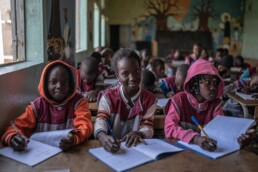
Reflection on the consideration of the community participation component in the implementation of educational projects.
REFLECTION ON THE CONSIDERATION OF THE COMMUNITY PARTICIPATION COMPONENT IN THE IMPLEMENTATION OF EDUCATIONAL PROJECTS
Edmond Diop, project monitoring officer, Senegal.
Often perceived as one of the fundamental pillars of a society’s social and economic development, education is essential for raising awareness. In our developing societies, it remains an excellent means of social advancement. For example, in Senegal, the last two successive presidents, when speaking to young people, made a point of showing their pride in having been products of the national education system, to prove that there is still a path to social advancement despite coming from modest or even poor families.
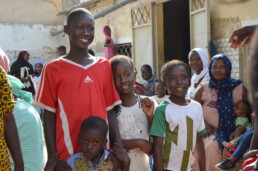
Education therefore plays a crucial role in the promotion of humanity, which is and must remain the concern of every society and, in general, in the march towards economic and social development. However, even with the best intentions, many educational projects struggle to achieve their goals because they do not sufficiently take into account the importance of community participation. In this article, beyond demonstrating why this engagement is crucial to the implementation and success of educational projects, we will recall some challenges that arise for its realization and finally share some suggested approaches to generate optimal engagement and sustainable communities for education.
Scope of community participation in education
Community participation, in the context of education, refers to the active involvement of different community stakeholders: parents, teachers, local student leaders. It includes knowledge sharing, participation, accountability, collective decision-making and the promotion of solutions tailored to the specific needs of the community. Community involvement in educational projects is not just a bonus, but an essential component. It creates a link between the school and the community, ensuring that the education provided is not only adapted to local realities but also supported by all social actors.
Impact of community participation in educational projects.
One of the first positive aspects of community engagement is the strengthening of links between the school and its local environment. When the community actively participates in school life, it promotes better student attendance and reduces the dropout rate [1] [1]. . Children feel supported not only by the educational institution but also by those around them, which reinforces their motivation to succeed. One of the key players in this engagement is the parents. Their active participation in school life is not limited to attending parents’ meetings, but encompasses a variety of actions (planning, continuous monitoring, evaluation, decision-making) that have a direct impact on the quality of education received by students. This interest of the community in the smooth running of the school also influences the motivation of teachers, who become more aware of the expectations placed on them and their level of responsibility. In this community, they find support in the follow-up of students, particularly at home.
The second positive aspect of this engagement is improved student achievement. Studies [2] have shown that children whose parents actively follow their schooling tend to be more motivated and successful. This may mean daily support with homework, regular communication with teachers, or participation in school activities such as open houses or educational events.
Ultimately, the engagement of parents and local leaders allows educational projects to be tailored to the specific needs of students, making programs more relevant and effective. In rural contexts, for example, the participation and empowerment of the community and local stakeholders can help design initiatives that take into account the cultural and economic particularities of students, thus facilitating their learning. To this end, the community basic schools model in Senegal has demonstrated that community participation can transform the face of education. They are “schools of the community, by the community and for the community [3]” . This model aims to improve access to education, particularly in rural areas, by adopting a decentralized approach, encouraging strong participation of local communities. It is based on fundamental principles such as community management, local involvement, accessibility and inclusion, community teachers and promotes crowdfunding. There is also the example of the Reading for All Program (2016-2021) that has established community engagement as a pillar of the program aimed at increasing the support of these actors at the local level to improve the reading performance of students. The success of this approach, revealed through program evaluation, has greatly contributed to the institutionalization of the integration of local languages into the Senegalese education system through the MOHEBS (Harmonized Model of Bilingual Education in Senegal) in the early years of reading study and teaching by teachers.
Challenges for community participation
Several obstacles can limit community participation:
- Socio-cultural obstacles: In certain communities, the view still persists that modern education (as opposed to religious education) does not correspond to our values, especially when it comes to girls. These conceptions, when strongly rooted, strongly influence commitment.
- Economic barriers: In some communities, parents may absent themselves from their children’s education due to economic constraints. They are more willing to meet basic needs than to devote time to education, which is sometimes even perceived as an additional expense, a burden.
- Lack of confidence in their abilities: Another barrier is related to feelings of inadequacy. Some parents, particularly in rural areas, have less education and may feel unqualified to actively participate in their children’s education. Many parents feel that they lack the skills necessary to help their children succeed, especially when the child’s level of education exceeds that of the parents.
It is therefore necessary to take into account the multiplicity of these parameters, far from being exhaustive, in order to maximize the impact of educational projects. It is therefore essential to overcome these obstacles and find concrete ways to encourage community participation. This could involve:
- Implementation of awareness and training programs: This involves organizing awareness/training sessions for parents. This could include workshops on academic support at home or lectures on managing children’s studies. The aim is to demonstrate to parents what is at stake in their children’s education and to remind them that they play an irreplaceable role in their children’s educational success, even if they have not mastered all the subjects taught.
- Instill in the communities the perception of active actors and not beneficiaries. This implies a participatory approach at all stages from planning onwards. Demonstrate that their views are heard and taken into account, while relying on existing traditional community structures such as village committees or local associations. This allows for better acceptance and legitimacy of interventions.
- Encourage regular communication: establishing a system of animation at the local level, ideally with resource persons from the community, can go a long way in developing this engagement. Establishing accessible communication platforms (with, for example, WhatsApp groups), community radio broadcasts, community meetings, makes it possible to keep parents informed about the situation prevailing in the school in general and about their children’s progress/difficulties. This also facilitates exchanges with teachers, creating a permanent contact, a climate of transparency and mutual trust.
- Establish sustainability based on endogenous initiatives to cover certain expenses or needs (insignificant contributions such as tontines by the school), for example the concept of the child’s attic or the establishment of school canteens is based in part on the in-kind contribution of families based on their crops (horticulture).
References:
[1] National study on out-of-school children and youth in Senegal (Dec. 2017).
[2] Senegal Ministry of National Education study on parenting and academic success, (2016);
Lola Orenga : The parent/teacher relationship: fostering involvement in their children’s education. Education. 2021. ffdumas-03432304f
[3] SAGA, 2005 “Basic community schools in Senegal Contribution to universal schooling, poverty eradication and the establishment of a national program for sustainable development.”
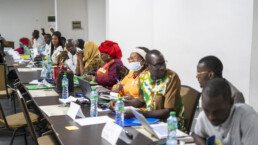
For a better mobilization of institutional partners: the example of the Nous Cims Foundation in Senegal
FOR BETTER MOBILIZATION OF INSTITUTIONAL PARTNERS: THE EXAMPLE OF THE NOUS CIMS FOUNDATION IN SENEGAL
Pape Makhtar, country representative, Senegal.
Partnership is the relationship between two or more organizations or entities for the implementation of a project or program. It should be based on equal cooperation and mutual trust, respect for commitments, transparency and reciprocity. The partnership between NGOs and public institutions remains complex due to the different roles and complex prerogatives that both parties must manage intelligently to end positional disputes and favor action.
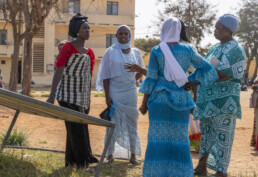
The public institution remains the architect of public development policy and the guarantor of its proper execution. At the decentralized level, it ensures the proper implementation of the policies and strategies defined by the central government and ensures the coordination, support, follow-up and control of the activities of the various actors. A role both as a partner and as an agent of execution, follow-up and control that must be balanced.
NGOs, for their part, support the efforts of the State and public institutions with resources and technical support, and capitalize on the experience gained from their many interventions. In the majority of cases, they are relays within the framework of development cooperation.
In this partnership relationship, both parties should, in principle, gain: NGOs can influence state policy by meeting the demands of interest groups, while the administration acquires knowledge and assistance in finding solutions. “Although these relationships do not in themselves contain factors of inequality, it is undeniable that the state is in a position of strength compared to NGOs. That is why they are constantly in a situation of imbalance: they must demand that their opinion be taken into account while the State can choose to pay attention to them or ignore them. ” ( Fuszara, 2005, p. 256).
Thus, collaboration between these two partners must be conditioned by the independence of each, which is not acquired when one of them (in this case the State) assumes a controlling role and claims the prerogative to put an end to the intervention of the other.
Distrust and doubt
Collaboration between public institutions and NGOs is not always good and very often remains precarious. Although it is considered an open secret, some mistrust and doubts have been observed in the collaboration between institutional partners and NGOs on both sides, making the working relationship complex and difficult.
On the one hand, public institutions claim a certain authority in terms of defining public development policy: the public partner thus relies on its knowledge of the local environment and its role as a public force of governance and guardian of national sovereignty in terms of public development policy. Even if public institutions receive support in implementation, they jealously guard their mission of monitoring the conformity of NGO interventions with the policies defined by the State and the sound management of resources. It is also up to them to ensure scrupulous compliance with the laws and regulations governing NGO interventions.
As for NGOs, they want to be critical and reserve the right to give their opinion and not blindly follow public initiatives. The singularly demanding attitude of some NGOs, the development of programs and projects often considered out of step with public policies, the weak involvement of public authorities in the definition of their intervention strategy, among others, lead us to consider this partnership as an unfortunate necessity.
The public partner is suspicious of what it considers to be support guided by the interests of a donor and not an intervention based on the real needs expressed by the communities. NGOs, for their part, remain concerned about the management capacity of the public authorities, the correct use of resources and live with the weight of their commitments to donors and the search for a real impact of their intervention on the life of communities.
However, once this collaboration is successful, it leads to synergy and complementarity in the interventions based on the exchange of experiences and knowledge and a transfer of skills for better sustainability of the knowledge acquired. This, combined with the participation of the communities through a strong commitment and a good ownership of the interventions, undoubtedly generates a positive and lasting impact.
Collaboration with public institutions in the case of the Nous Cims Foundation:
Nous cims Foundation supports development efforts by funding projects for the benefit of national and local NGOs for a sustainable improvement of the living conditions of populations. The funded projects focused on diverse areas, including education, nutrition, women’s empowerment, support to vulnerable groups, preparation for socio-economic reintegration of children in detention, employability and training of young professionals, etc. These multiple interventions were spread across more than ten locations throughout the country: an ambition that required optimal harmonization to achieve impact.
For this reason, the foundation has launched the definition of a new territorially and thematically oriented strategy as of 2022.
After a careful assessment of the needs, priorities and representativeness of CSOs, the departments of Pikine and Saint Louis were selected as Model Zones for an intervention that aims to be inclusive and have a real impact on the lives of the populations. This strategic exercise thus becomes a painstaking process, an important work of identification and mobilization of stakeholders, but also of exchange, research and production. In this sense, the institutional partner must be present from the beginning to the end of the process to better play its role in supporting and monitoring development initiatives.
- From diagnosis to strategy validation:
From diagnosis to validation and refinement of the new strategy, the foundation demonstrated openness towards the stakeholders identified (CSOs, communities, institutional partners, private sector, populations, etc.). At this crucial stage, the institutional actors responsible for public policy had an important role to play. Thus, an initial mapping of institutional partners was carried out in order to have a complete directory of decentralized services at the level of our Model Zones. This work, carried out in collaboration with the central level (Ministry and General Directorates, etc.), was an important step in the implementation of a good diagnosis. Thus, the institutional part of this work focused on the inventory of the policies so far developed by the State and its decentralized services, the actions implemented, the difficulties encountered; a definition of the strengths and weaknesses of the public policies developed on our intervention themes. This work also allowed us to have references in terms of statistical data for a better follow-up. All this information combined with that received from civil society actors, community actors and other development agencies allowed us to have a real situation of the policies implemented so far, but also of the challenges for a better impact. In this desire to establish an intervention with a sure impact and benefiting from a good appropriation by the populations, the partners, in particular the public institutions, considered it necessary to carry out additional studies to highlight the underlying reasons for the difficulties of certain interventions and the expectations of the populations on the policies, projects and programs developed. Collaboration with institutional partners greatly facilitated this research work with their involvement in the validation of the TOR, the search for the necessary authorizations and implementation. This is the case of the participation of the nutrition research laboratory of the Cheikh Anta Diop University of Dakar, a reference in the field, the health districts of Saint Louis and Pikine and Mbao in the context of the diagnosis of the nutritional status of children, the IEFs of Saint Louis and Pikine as part of the performance assessment and the employment centers of Saint Louis and Pikine for issues related to the employability of young people with the study of promising niches.
Thus, the partners drew on the diagnosis enriched by the results of studies and research conducted in the intervention areas to develop theories of change that would serve as a reference for the Foundation’s program in Senegal. This strategic development work was the work of different partners who played an important role. Going back to the participation of institutional actors, this allowed, beyond the technical contribution, to keep the program aligned with public policies, thus minimizing difficulties with the institutions at the time of its implementation. These theories of change were validated by various stakeholders, including public institutions, before being translated into an action plan.
- In execution, follow-up and dynamization:
This purely strategic stage is followed by the implementation of the program. The Nous cims foundation is not an entity of execution and implementation, but of financing and technical support, so it is committed to make available to the partners the economic means and technical support for the execution of this program. As a result, the foundation is responsible for financing, within its means, the initiatives of national and local NGOs derived from the program. Even if public institutions cannot benefit from direct funding, they play an important role in the validation of project proposals and their implementation. It is in this context that the foundation requires for any project proposal a letter of agreement signed by the institutional representative working on the issue and a diagram of the implementation collaboration.
In addition, for a continuous dynamization of this fruitful synergy and a better follow-up of the program, three thematic groups are created in each Model Zone for the follow-up of the technical aspects and a driving group for the supervision of the program. Public institutions are automatically responsible for coordinating the thematic groups to maintain this prerogative of policy and strategy guarantor at the intervention zone level. Although they play an important role in the development of our program, the thematic groups remain dynamic bodies associated with the program and will in no way parallel or replace the sectoral groups often set up by the public authorities.
Complementary support
Civil society organizations and public authorities should in no way be considered as rivals or in competition. If the idea of improving the living conditions of populations remains their sole objective, these actors should demonstrate complementarity in their actions, and this remains possible through open collaboration and transparency in management.
Institutions should therefore be more open to NGOs, remain accessible, available and willing to support projects and programs. They should also make available non-confidential data and information and ensure harmonization and good coordination of interventions, all within the framework of a winning partnership.
We, the other actors of civil society, must understand that we support the efforts of the public authorities and can never replace the State or assume its prerogatives. In this sense, it is our responsibility to align ourselves with the global policies and strategies defined by the State that welcomes us and gives us the fullness to exercise. Our projects and programs all have a useful life with a defined budget at the time when the burden of the State remains intact and is part of an eternity, as long as the nation exists the State and the public authorities will have the responsibility to meet the needs of the populations. Therefore, it is our responsibility to align ourselves with state policies, which in no way means blindly following them. In fact, we have much to contribute through active participation in defining policies and promoting decisions in favor of the causes we defend. Let us defend an exercise that should in no way be the exclusive responsibility of civil society, but rather a collegial action with all the actors involved, particularly the communities.
Ultimately, it is necessary, even essential, to maintain a frank and sincere collaboration among all stakeholders, including public institutions, at all stages to achieve useful and sustainable interventions with a real impact on the lives of communities.
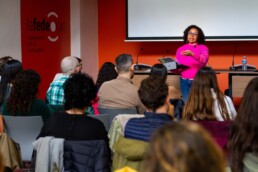
Communicating in the third sector: public speaking as an ally
COMMUNICATING IN THE THIRD SECTOR: PUBLIC SPEAKING AS AN ALLY
Marina Caymari, communications technician.
The Royal Spanish Academy defines public speaking as “the art of speaking eloquently and persuasively in public. It involves the use of specific techniques to communicate ideas in a clear, convincing and effective way, with the aim of influencing the audience”.
We often associate public speaking with politics or the business world, but rarely consider it a vital tool for the third sector. However, don’t we have projects to communicate and audiences to persuade, motivate and attract?

In a permanently connected society, where short and ephemeral messages prevail, the ability to connect with the public has become a real challenge for any entity.
In this article, we explore how we can improve our public speaking to strengthen communication with volunteers, beneficiaries and key stakeholders of a social project without talking about the dreaded crossed arms or powerful dramatic pauses.
The starting point
Simon Sinek, an expert in leadership and motivation, proposes in his Golden Circle theory that the most successful leaders and organizations inspire and connect best with their audience when they first communicate the“why” – their purpose or reason for being – before explaining the“how” – their process or values – and the“what” – their product or service. According to Sinek, “People don’t buy what you do; they buy why you do it. And what you do simply demonstrates what you believe.”
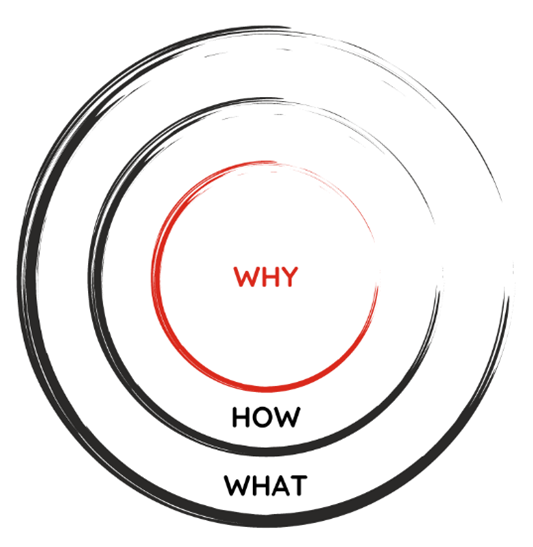 To speak from the “why” is to speak from authenticity. Here there are no nuances, specifications or comparisons, only a purpose, an objective, a goal, a belief.
In the third sector, the Golden Circle theory takes on special relevanceWhen an organization communicates its “why” first, it is able to inspire and mobilize its stakeholders more effectively.
Keeping the balance
Connecting emotionally with the audience is crucial to create a deep and lasting bond. But why is this emotional connection so important?
Several studies claim that we remember better what affects us emotionally. One example is that of Cahill and McGaugh (1995), who investigated how emotions influence memory consolidation.
This study shows that events that affect us emotionally tend to be remembered with greater clarity and detail than neutral events. This is due to the activation of the brain amygdala, which plays a crucial role in the processing of emotions and the formation and storage of emotional memories.
As we can see, emotion allows us to connect in a deep and personal way, evoking feelings that can motivate and persuade. However, we must not forget the importance of rationality, which provides structure, logic and credibility, ensuring that the message is understood and consciously accepted.
According to Nancy Duarte, great communicators effortlessly combine emotion with rationality to create messages that resonate on both a personal and intellectual level, fostering a deeper connection and understanding with their audience (Duarte, 2019).
Thus, a speaker who properly combines both aspects can capture the audience’s attention, hold their interest and facilitate a change in their attitudes or behaviors. This duality is crucial for entities because it appeals to both the mind and the heart, which strengthens the message and its reception.
To whom and for what purpose
When communicating, it is as important to know what our purpose as an entity is as it is to know what our objective is with that communication, whether written or oral.
Are we trying to change behavior or raise awareness about something? Are we informing or convincing? Reflecting on the desired outcome of the communication will allow us to structure the message clearly and efficiently.
As Chip and Dan Heath (Heath, C., & Heath, D. 2007) said, we must ask ourselves: What do we want our audience to know? What do we want them to think, feel and do?
 On the other hand, knowing who we are addressing is essential for our oratory to convince, influence and generate action.
Wilcox, Cameron, and Xifra (2012, p.238) note that “knowledge of target audiences’ characteristics, such as beliefs, attitudes, concerns, and lifestyles, is an essential part of persuasion. They help the communicator craft tailored messages that are relevant, meet a need, and provide a logical development of actions.”
Non-verbal communication
The controversial nonverbal communication also occupies a space in the art of communicating, since, as Brooks, J. (2022) points out, body language, facial expressions and eye contact can reinforce or contradict the verbal message, thus affecting the reception and impact of the speech.
Much has been written and debated about best practices and common mistakes in public speaking – from crossing your arms or looking up, to standing with your legs spread as if you were in a John Wayne Western. However, we will not get into this debate.
In the end, the most important thing is to be aware of our non-verbal communication. Know that our gestures and expressions convey messages that may contradict (or not) our words. And, above all, do not overreact. The naturalness and authenticity of the speaker is what will allow us to generate credibility and connect with our audience.
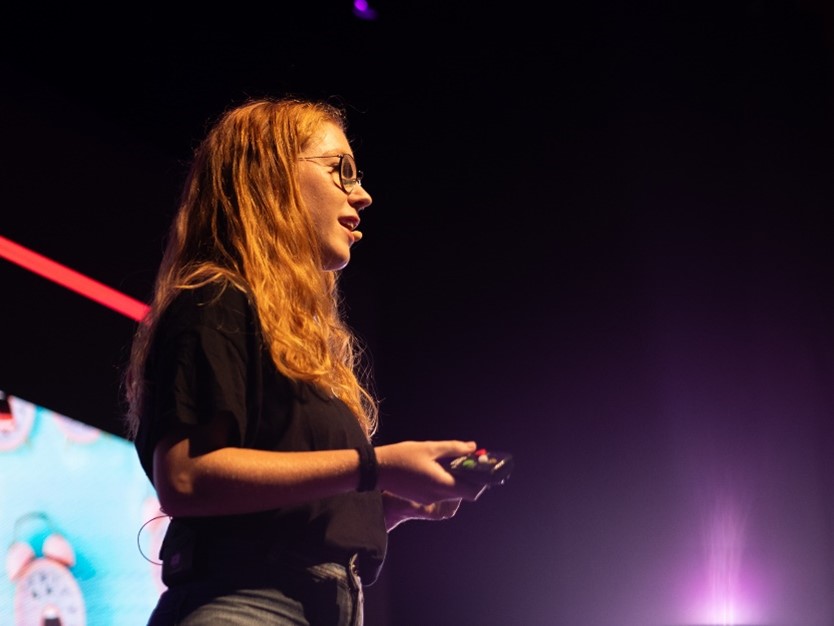 For example, if a person who is very energetic, active, and mobile, is stuck behind a lectern on a stage, it is likely that he or she will start to make gestures that will sully his or her staging, such as jumping up and down (which may denote nervousness) or maintaining a bad posture.
Conversely, if someone is externalizing nerves through the hands, a handheld microphone might be more convenient than a headset microphone. It will keep the hands busy and in view.
On the other hand, if you tend to talk too fast and without pausing – which affects your breathing –there are two tricks that might help. First, squeezing the toes would help the tension move downward and allow the diaphragm to open up again. And secondly, if the communicative style is fast-paced, you can always add elements such as videos or audience exercises to break up the speech, allow you to catch your breath and pause the presentation.
There are many exercises and tips that can help improve nonverbal communication. However, the first step is to know yourself and analyze how you act when you speak. To do this, receive feedback from colleagues and, why not, recording yourself during practice can be essential.
In conclusion, internalizing and communicating the “why” of your entity; maintaining a balance between reason and emotion; being clear about what you are communicating for and to whom you are communicating; and knowing yourself as a speaker and relying on your qualities, will allow you, as a communicator, to be at the service of the message and make your communication effective and efficient.
References:
Royal Spanish Academy (RAE) (n.d.). Oratory. In Diccionario de la lengua española ( 23rd ed.).
Sinek, S. (2009). Start with Why: How Great Leaders Inspire Everyone to Take Action. Retrieved from https://startwithwhy.com/.
Cahill, L., & McGaugh, J. L. (1995). A novel demonstration of enhanced memory associated with emotional arousal. Nature, 371(6499)
Duarte, N. (2019). “DataStory: Explain Data and Inspire Action Through Story”. Hoboken: Wiley.
Heath, C., & Heath, D. (2007). “Made to Stick: Why Some Ideas Survive and Others Die”. New York: Random House.
Wilcox, D. L., Cameron, G. T., & Xifra, J. (2012). Public relations. Strategies and tactics (10th ed.). Pearson Education.
Brooks, J. (2022). “The Power of Nonverbal Communication: How to Use Body Language to Persuade and Influence.” New York: HarperCollins.
The importance of including an intersectional perspective in social mentoring projects
THE IMPORTANCE OF INCLUDING AN INTERSECTIONAL PERSPECTIVE IN SOCIAL MENTORING PROJECTS
Meritxell Puértolas, mentoring technician of the Zing Program, and Laura Prego, Project Manager of the Zing Program.
The contexts and territories we inhabit are diverse and multicultural. It is essential to promote social and educational spaces where all ways of being and being in the world are valued, recognizing the richness and importance of global diversity. Understanding this diversity from a non-reductionist approach is essential to accompany people effectively.
Working in the social sector or in contexts of vulnerability also implies understanding how the axes of oppression operate in society in the face of this diversity, understood in relation to concepts such as identity, difference, ethnicity, gender, political, cultural, personal, social and educational aspects, among others (Torres, 2001; Femenias, 2007).
Including diversity in the development of socio-educational accompaniment programs requires analyzing how it is articulated differently in each life, understanding the disparity of experiences based on these differences and how they can generate oppressions, being essential to approach them with sensitivity and understanding.
To address this complexity and thus become aware of the privileges and oppressions present in our society, we can turn to the concept of intersectionality, introduced by Kimberlé Crenshaw. This approach allows us to understand how various identity factors, such as skin color, family origin, religion, country of birth or administrative status, interact and intertwine in contexts of power and oppression.
Intersectionality invites us to engage in a deep and gradual exercise of social awareness, recognizing that inequalities do not act in isolation, but overlap and reinforce each other, shaping our positions and opportunities in society. Following the reflections of thinkers such as Angela Davis and Crenshaw, it is necessary to rethink our perceptions of social justice to effectively address the multiple dimensions of inequality. Integrating this intersectional view in social mentoring projects and in all social interventions is crucial to develop more inclusive and equitable interventions that truly respond to the diverse realities and needs of all the people we accompany.
For example, when considering the experience of a young migrant of African descent, it is possible to recognize that he may face oppression based on his origin and skin color (racism), his age (adultcentrism) and his migratory status (if he does not have a work permit). However, they may also benefit from certain privileges because of their gender (if male) or sexual orientation (if heterosexual). This recognition will allow us to design interventions that respond to the specific needs of each individual, reducing generalizations and ensuring that all voices are heard and respected.
If we apply this approach to social mentoring projects, we can see that it becomes a powerful tool for education and community intervention to promote respect for diversity and break social bubbles. It allows people with different realities and profiles to meet and share experiences, knowledge and values. Including the intersectional perspective in these exchanges not only allows us to focus on the individual identities of the people who make up the accompaniment, but also favors awareness of how these experiences and differences are intertwined with existing social structures.
Accompaniment and guidance in mentoring projects should focus on providing tools to recognize and manage the hegemonic culture and the dynamics of exclusion, giving visibility and space to diverse people, cultures and identities, preventing them from being overridden by those that are more influential.
This translates into the creation of safe spaces where people can share their stories and experiences without fear of judgment. By generating bonds based on active listening and mutual understanding, we foster the recognition of diversities and the construction of identities that are permeable and open to dialogue.
Through social mentoring, we aim to foster caring and involved communities, promoting the exchange of ideas and beliefs, thus bringing us closer to social cohesion. Mentors and mentees build new forms of relationships, fostering a sense of belonging and community participation. Mentoring projects work and accompany in the conscious positioning in this relationship, avoiding victimization, paternalism and rejecting individualistic dynamics of non-mobilizing guilt.
In conclusion, it is important that we not only represent the diversity and reality of people in society, but that we go further. We should not limit ourselves to creating actions that serve the majority system, but design situated and critical interventions that address the structural mechanisms that generate inequality and social exclusion. Through social mentoring, we aim to promote justice and community transformation, building new relationships, imaginaries and shared narratives.
Digital transformation for the improvement of adolescent emotional well-being. Experience of KOA Programme.
DIGITAL TRANSFORMATION FOR THE IMPROVEMENT OF ADOLESCENT EMOTIONAL WELL-BEING. KOA PROGRAMME EXPERIENCE.
Roger Caro, Koa Programme technician.
When talking about digital transformation in our organizations, we may have made the mistake of believing that it consisted of incorporating technologies into our way of working without reflecting on what challenge or problem the technology helps us to solve. Digital transformation is not about updating your technology, it is about updating your strategy and your way of thinking (Rogers, 2016).
From the KOA program, it has been a challenge to address the digital transformation with the objective of evaluating the impact that the program has on the promotion of the emotional well-being of adolescents. With that in mind, we bet on the implementation of Pentabilities in the program.
Pentabilities is a project that places social-emotional skills and their formative assessment at the center of social-educational practice, in order to have a direct impact on improving the social well-being of adolescents in the future. Pentabilities is based on the premise that those adolescents who have more tools and strategies for emotional management, the establishment of personal goals and purposes, conflict resolution or positive interpersonal relationships, are more likely to succeed both at the educational level and in other areas in which they will find themselves throughout their lives (personal, work, family…) (Equip Pentabilities, 2022).
What does Pentabilities bring to the KOA Program?
- A common language. It provides a definition of five major socioemotional skills, which are Responsibility, Cooperation, Autonomy and Initiative, Emotional Management and Thinking Skills. Based on these major skills, it defines 35 behaviors to be evaluated, which will allow us to know the degree of development of each of these skills. These skills and behaviors will be part of the common language between educators and adolescents, allowing us to understand the same when talking about empathy, responsibility or teamwork, among others. Furthermore, these behaviors have a correspondence with the competencies defined in the framework of the Program (KOA Programme, 2023:29).
- Orienting the gaze. Knowing which behaviors are linked to the development of the competencies allows us to plan the activities for each session, taking into account that the competency we want to work on will determine the behaviors to be addressed in the session. It helps us to focus on each activity.
- Behavioral assessment. By evaluating the behaviors that occur, we avoid biases. It allows us to have a constructive and non-stigmatizing look, as well as to move away from prejudices and general perceptions, by focusing on how adolescents behave in certain situations, and not on whether they behave in a certain way or another. These behaviors are recorded in each session, as they occur.
- Rethinking feedback. The feedback we will give will be based on the behaviors that have occurred during the activities, giving the adolescents the opportunity to analyze those behaviors that make them feel good, and those that do not, to establish concrete action plans to change them.
To foster the successful implementation of Pentabilities in the KOA program, we have focused efforts in the following areas:
- Developing talent. We have invested a lot of energy in training the professionals in the use of Pentabilities, both face-to-face and virtually, as well as on-site mentoring sessions in the program sessions.
- Start small. To get started with Pentabilities we have limited the behaviors to seven, in order to have a manageable list to evaluate, and these will be evaluated during the initial and final moments of the session. In this way we will achieve small successes that will encourage us to continue implementing the tool, and on which we will base the incorporation of more behaviors to be observed.
- Decriminalize error. We have invited educators to use Pentabilities on a daily basis, accepting that there may be errors in use, but that they are part of the learning process.
- Planned implementation, starting with a few groups, but increasing year by year the number of groups and educators applying Pentabilities.
And yes, it also provides us with a mobile application where we can record the behaviors that occur in each session, and a web platform where we can have information on the development of each of the skills in the different sessions, as well as generate reports based on the observations.
However, as we have seen, the use of technology is the last step, after achieving a common language, orienting the gaze, evaluating behaviors and redefining feedback. Because, ultimately, according to Marcet (2019), “digital transformation is not simply about injecting technology, but changing mindsets and ways of operating of people.”
References
Equip Pentabilities. (2022). Pentabilities, including life skills. Barcelona: Jaume Bofill Foundation.
KOA Programme (September 2023). KOA PROGRAMME – Nous Cims Private Foundation. Retrieved from https://www.nouscims.com/wp-content/uploads/2023/10/30_OCTUBRE_digital.pdf
Marcet, X. (9 de Maig de 2019). Indicador d’Economia. Retrieved from Indicador d’Economia: https://www.indicadordeeconomia.com/opinio/159/transformacion-digital-el-reto-son-las-personas
Pentabilities S.L. (2024). Pentabilities S.L. Retrieved from Pentabilities S.L.: https://pentabilities.com/index
Rogers, D. (2016). The Digital Transformation Playbook: Rethink your Business for the Digital Age. New York: Columbia University Press.
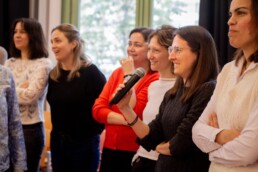
A feminist perspective, women in the world of work
A FEMINIST PERSPECTIVE, WOMEN IN THE WORLD OF WORK
Sara Polo, central services management and administration, and Alba Berenguer, people management and talent development technician.
Surely, if I ask you if you think that nowadays, men and women have the same working conditions and opportunities, you will answer with a timid Yes?
Historically, men and women have not enjoyed equal rights. While men have been considered the stronger sex and have enjoyed privileges, women have traditionally been seen as weak, less competent and even less intelligent.
This male superiority has allowed men to control political, social and cultural decisions, as well as leadership in the world of work for many centuries. Meanwhile, women have been relegated to reproductive, curative and domestic tasks, considered of lesser value and unpaid.
This gender inequality has long been accepted as “normal”.
If we place ourselves in the historical context from the 18th century, the Age of Enlightenment, with the Enlightenment and the French Revolution, it was a turning point in the collective awareness of the equality of all citizens. This gave rise to the feminist movement.
One of the first important transformations was the industrial revolution that was born in the United Kingdom around 1760, until the end of the 19th century and spread throughout Europe and the United States. It was in the United States where Suffragism originated at the end of the 1840s, which promoted not only the right to vote, but also equal education for men and women and the right to receive the same salary as men for the same work. The right to vote was key to the recognition of women in society and represented a significant advance in reducing inequality.
At the same time that market demand exceeded men’s capacity, women had the opportunity to enter the labor market. Unfortunately, they did so under segregated conditions and at lower wages than men, while maintaining their responsibilities as caregivers in the home. For example, in the United Kingdom, women were paid one or two thirds less than men, depending on the locality and sector of production, in agriculture they were 50% and in education between 45 and 65%, according to the article “Gender Inequalities in the Labor Market”, from the Gender and Economy block.
Even so, these events marked an important starting point for the progressive insertion of women in the labor market, although there was still a long way to go to achieve real equality in this area.
For example, according to the National Museum of Science and Technology of Catalonia, in the article “Women’s occupations in the industrial world”, during industrialization in Catalonia and the rest of Spain, women not only received lower wages than men, but also performed more dangerous manual tasks, thus increasing the risk of occupational accidents.
Some of the tasks in which women specialized were, for example, the taperas, when the production process was mechanized, specialized labor was no longer needed and they began to hire women who received a lower salary. Another example of a trade was that of cigarette makers, who were paid for each unit produced, allowing them to have the flexibility to perform household chores. In the railroad sector, women worked as guardesas or guardabarreras, performing tasks such as controlling level crossings, watching over train traffic, keeping backrails clean and managing crossings. These jobs were among the few allowed for women in a male-dominated sector. Women in this sector were hired on the margins, often as relatives of workers who had died or become disabled, thus offering them an opportunity to escape poverty.
In the textile industry, on the other hand, women played a more important role. Women’s tasks were centered on texturing and spinning. Some of the most common jobs they performed were those of stitchers, cannoneers, weavers, knotters and warpers, as well as other specific jobs depending on the type of fiber used in the factory.
Continuing with the historical chronology, the second major milestone is in the First and especially in the Second World War, where women took on tasks that had been reserved for men because of the shortage of male labor due to military conscription. From the 1950s onwards, European women began to acquire labor rights, but it was in the last decades of the 20th century that a significant change in their participation in the world of work was seen. Despite this, there are still significant inequalities.
In the case of Spain, the milestones were achieved in a different political context. During the Second Republic of 1931, women obtained labor rights and the right to vote. However, during the Black Biennium of the Second Republic, these measures were halted. After the Civil War and General Franco’s rise to power, equality policies were suppressed and women lost many rights. As explained in the article “La Igualdad, Asignatura Pendiente” in Mundo, the Civil Code of 1889 was reinstated, with which, among others, married women needed their husband’s permission to have a passport, open a bank account, manage property and work, with the husband receiving the salary (Ley Fuero del Trabajo). This license was not abolished until 1975, shortly before the death of the dictator.
As National Geographic explains in its article “Advances in women’s equality in Spain since 1975”, it was this last fact, which brought about a change in the inequality between men and women, first in 1976, the Labor Reform Law was passed, which included improvements for the reconciliation of maternity and work.
And finally, the new Constitution of 1978 brought a new perspective to the female labor market, since at the end of the seventies, the activity rate of Spanish women was 22%, a figure that increased to 33% in 1984, and will be 54% in 2023.
It is crucial to recognize the historical inequalities between men and women in the world of work and the efforts made to achieve equal opportunities. Although today gender differences seem to be diminishing, the data still reveal the presence of inequalities in the labor market.
The main gender inequalities in the world of work in the 21st century include the wage gap, with women earning an average of 16% less than men on average worldwide, according to the International Labor Organization (ILO). Likewise, the phenomenon of the glass ceiling is a worrying reality, with women occupying only 28% of management and senior management positions within organizations, according to the International Institute for Labor Studies (IILS). On the other hand, the labor participation gap is also notorious, with women registering a labor participation rate of 63.5% compared to 78.7% for men according to the Organization for Economic Cooperation and Development (OECD) in 2021.
However, in order to address the discrepancies in the world of work, it is essential to analyze the trend between genders in the choice of studies and profession. Statistical data from the Ministry of Education and Vocational Training and several national and international researches show that women tend to opt for studies related to education, health and welfare, while men prefer scientific-technological and industrial careers and training cycles. For example, only 11% of university girls in Spain have graduated in STEM careers (Science, Technology, Engineering and Mathematics), compared to 36% of men, according to the study “The Employability of Women in the Just Energy Transition in Spain” (2023), prepared by the Naturgy Foundation.
These differences between the studies chosen by men and women are also present in Vocational Training. For example, women are the clear majority in families such as Personal Image (79.6% in Basic Vocational Training, 87.2% in Intermediate Vocational Training and 93.0% in Higher Vocational Training), and Sociocultural and Community Services (52.5% in Basic Vocational Training, 86.7% in Intermediate Vocational Training and 86.6% in Higher Vocational Training), according to statistics from the MEFP, corresponding to the 2021-2022 academic year.
On the contrary, men monopolize families such as Installation and Maintenance (97.4% in Basic Vocational Training, 97.7% in Intermediate Vocational Training and 95.5% in Higher Vocational Training), and Vehicle Transport and Maintenance (97.3% in Basic Vocational Training, 96.5% in Intermediate Vocational Training and 95.3% in Higher Vocational Training), among others in the technological and industrial fields.
The lack and low visibility of female references in these sectors can be an obstacle for young women who might be interested in these areas, but who do not see themselves represented or valued in these fields. For example, it was Ada Lovelace who created the first algorithm to be processed by a computer. And Lise Meitner, who calculated the energy released in nuclear fusion. Another would be Gertrude B. Ellion, who developed the first immunosuppressive agent used in organ transplantation. Finally, Margarita Salas who discovered DNA polymerase, which is responsible for DNA replication.
This discrepancy has a direct impact on the existing gap in the different sectors and occupations, which is maintained over time.
But what is the reason why the scales tip so clearly one way or the other when it comes to choosing a career? Are we making a free choice? The factors underlying these differences are surely varied, including predispositions acquired in the family and social environment.
A clear example, which affects us directly, is the third sector. Historically, this sector has been predominantly feminized and, currently, it still is. This situation is largely due to the fact that women have traditionally assumed the role of caregivers and we have not yet completely broken this stereotype.
As indicated in the report “Calidad en el empleo en el Tercer Sector: un panorama integral en el 2023” by La Plataforma del Tercer Sector, in 2023 79.3% of the people working in the social sector were women, which implies that it is one of the most feminized sectors in Spain.
However, these figures do not imply that the difficulties women encounter in other sectors do not affect them in this one. According to a study prepared by Fundación Lealtad, despite the fact that 4 out of every 5 workers is a woman, only 45% of Spanish NGOs are headed by women and 48% are in the governing bodies.
We can go even further, since the difference in the presence of women in the governing bodies varies according to the type of entity and the budgets it manages, in those where the budget is less than 1M, 53%, compared to 42% when the figure is higher.
Thus, despite reaching parity in the quotas established for management positions and positions of responsibility, the presence of the glass ceiling is not eliminated. On the other hand, if we compare it with the rest of the sectors, 39% of the companies in Spain do not have any woman in their board of directors. And 37% of those with more than 200 workers do not include any women in their management team.
One of the challenges of incorporating women into the labor market is the precariousness of working conditions. Despite the fact that, as we have already mentioned, incorporation is not a problem in the third sector, precariousness continues to be present. For example, there is a high level of part-time work, with 48.1% of contracts being part-time, compared to 12.6% in other sectors in Spain. On the other hand, 10.2% of women hired are on temporary contracts, compared to 5.8% of men.
However, third sector organizations are increasingly implementing work-life balance measures more widely than other sectors, with flexible schedules, intensive working hours and teleworking.
On the other hand, 64% of third-sector entities in Spain have an equality plan, and 30.4% have a complaints channel for cases of discrimination. These measures contribute to equal opportunities between men and women, since they establish clear criteria for action in different situations.
And what does the future hold?
It is clear that there are certain structural changes that are essential for continued progress. One of them is the elimination of gender stereotypes, especially those that condition people in education and in their professional choices. The belief that men are better suited for certain tasks and women for others must be eradicated. In order to move towards equal opportunities, society must undergo profound changes in the perception of the role of women, not only in the work context, by increasing measures of conciliation, but also at a global level.
Not only this, the process of transformation towards equality has been promoted from various regulatory frameworks. Organizations also have to contribute and try to alleviate gender inequalities. It is essential to always keep the gender perspective in mind, from recruitment to personal and professional development.
What about the third sector? As we have observed, there are also gender inequalities that need to be identified, analyzed and addressed. Who better than people committed to others to carry out this task?

The social impact of ESG policies: Towards a more equitable and sustainable future
THE SOCIAL IMPACT OF ESG POLICIES: FOR A MORE EQUITABLE AND SUSTAINABLE FUTURE
Paco Romero, Head of Development and Alliances of the Zing Program. In collaboration with Juan Mezo, Managing Partner of Valores & Marketing.
ESG (Environmental, Social, and Governance) criteria are setting the agendas of investors when it comes to driving socially responsible investment (SRI) in a company. Leaving Corporate Social Responsibility (CSR) behind and extending the focus to the entire value chain of companies, ESG policies act transversally throughout the company, seeking positive economic, but also social and environmental impact results. Although in recent years there has been a greater focus on environmental aspects due to the major issue of global warming, the social impact is equally relevant as we show in this article.

We then delve into the “S”, the social impact of these policies from various perspectives.
Commitment to diversity and inclusion: Fundamental pillar of ESG criteria
The “S” has to do with quality employment. Companies are becoming increasingly aware and influential in including diversity and inclusion as a fundamental part of their real commitment to a more just and egalitarian society, with the inclusion of diversity not only improving their image, but also vital to their long-term sustainability. Inclusion means equal opportunities for all people, regardless of their origin, gender, race, ethnicity, sexual orientation, functional diversity, age or other factors that may generate discrimination. Having a diverse team enriches the company with a wide range of perspectives and approaches.
This commitment goes beyond mere public statements. Companies are implementing diversity and inclusion training programs, creating dedicated inclusion committees and conducting internal audits to identify areas for improvement. These actions not only foster a more inclusive work environment, but also attract more diverse and qualified talent.
What does it mean to incorporate inclusive talent?
Incorporating inclusive talent means making sure that everyone, regardless of the differences we talked about earlier, has the same opportunities. This means designing fair selection processes, implementing development programs for underrepresented groups, and creating an environment where everyone feels valued and respected. It is a daily commitment to building a fairer and more equitable workplace.
Incorporating inclusive talent also involves eliminating unconscious bias in the hiring process. Companies are using data-driven selection tools to ensure that hiring decisions are based on skills and merit, not personal bias. In addition, they are promoting pay equity policies and offering benefits that address the needs of a diverse workforce, such as flexible schedules, telecommuting, extended parental leave, variable non-monetary compensation in addition to salary that incentivizes workers.
Benefits of diversity in work teams
Diversity drives innovation, as different perspectives and experiences lead to more creative and effective solutions. In addition, diverse teams are often more representative of a company’s stakeholders, improving stakeholder understanding and satisfaction.
Companies such as Google and IBM (*) have reported that their efforts to increase diversity have resulted in more innovative teams and greater employee satisfaction. It can also improve decision making, as a diverse group is more likely to consider a wider range of options and avoid herd thinking. In addition, a diverse culture can enhance a company’s reputation and attract customers and partners who value inclusion. This demonstrates that diversity is not only an ethical issue, but also a smart business strategy.
The role of companies as agents of social change
Through their policies and practices, they can significantly influence society. Companies can lead social responsibility initiatives that address issues such as poverty, education and public health. They can also collaborate with non-profit organizations and local communities to promote sustainable development. Adopting ESG policies not only enhances corporate reputation, but also contributes to the overall well-being of society, community involvement and employee satisfaction.
Companies can act as catalysts for social change by implementing corporate volunteer programs, developing joint programs, donations and strategic alliances with non-profit organizations and incorporating employment for groups at risk of social exclusion or with special difficulties.
Involving all employees in ESG policies. Promoting a culture of collaboration and social commitment.
Creating a climate of collaboration and social commitment is essential for the success of ESG policies. This involves fostering values such as solidarity, empathy and respect within the organization. Companies can promote this mindset by implementing inclusive policies, training programs in social and emotional competencies, and recognizing individual and collective efforts in promoting sustainability and social responsibility.
To generate this culture of social commitment, it is essential to involve all employees. This means fostering an environment of participation where employees feel they are an integral part of the company’s social and environmental initiatives. Having a defined purpose and values that must be translated into concrete behaviors on a daily basis. Corporate volunteer programs, awareness workshops and continuous communication of ESG achievements and goals are some strategies to achieve this involvement and participation. By involving the entire team, companies can create a sense of shared purpose that drives engagement and motivation. Recognizing and celebrating ESG achievements, both individually and collectively, reinforces the company’s commitment to these values.
Engaging staff also means providing them with the tools and support to actively participate in ESG initiatives. This can include creating employee resource groups, offering sustainability training, and organizing events and campaigns that promote ESG values. Companies can also establish recognition and reward systems for employees who contribute significantly to ESG goals. Companies such as Salesforce encourage their employees to get involved with social causes by offering them the possibility of having 7 days a year (during working hours) to dedicate to volunteer projects in social organizations, a powerful example of commitment to society and awareness of current issues.
We could conclude by saying that ESG policies are not only a tool for economic and environmental sustainability and responsible governance, but also a powerful driver for positive social change. By committing to the environment, diversity and inclusion, incorporating inclusive talent and promoting a culture of collaboration and social engagement, companies can play a crucial role in creating a more equitable and sustainable future.
Sources consulted:
https://www.ibm.com/blogs/think/es-es/2022/07/06/por-que-es-importante-la-diversidad-e-inclusion-di/

Educational level of individuals: a determinant of health and life expectancy?
PEOPLE’S LEVEL OF EDUCATION: A DETERMINANT OF HEALTH AND LIFE EXPECTANCY?
The academic education a person obtains can define his or her life conditions, which is why reducing early school dropout rates can be a key factor in society’s life expectancy.
Lali Bueno, Zing Program Training Technician; and Verónica González, Zing Program Project Manager.
Reducing early school leaving (ESL), understood as the fact that students do not obtain any academic qualification beyond lower secondary school, is one of the main challenges at present, since it guarantees a higher level of education for society and, consequently, directly conditions the opportunities and future of young people in the territory.
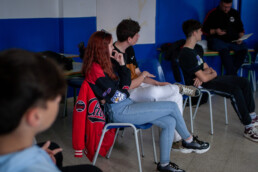
The European Union set the objective of reducing the rate of AEP by 9% by the year 2030. According to data extracted from a report by the Bofill Foundation (Curran, Montes, 2022), in Spain only four autonomous communities meet the European target and Catalonia remains above the Spanish average with 14%, still far from the target.
This challenge is even more alarming in the most vulnerable contexts. The data show that young people who have parents with lower levels of education and who live in low-income households drop out more; in other words, dropouts are more prevalent in the most disadvantaged households. This data, in turn, is related to their expectations for the future and their possibility of social mobility.
The Globalization, Education and Social Policies (GEPS) research group of the Department of Sociology of the Universitat Autònoma de Barcelona ratifies this reality in a recent report (Jover, Manzano, 2024), stating that the AEP has a clear impact on the reduction of opportunities for the people who live it and on their vital development, directly affecting important aspects such as the unemployment rate, employability in less qualified segments, difficulties in paying for housing, worse living conditions, worse general state of health and worse subjective wellbeing. These indicators, in turn, result in lower life expectancy, which is the focus of this article.
Early school dropout is more prevalent in more disadvantaged households and impacts on their life development
Relating early school dropout and the level of education attained to the socioeconomic situation of those who experience it is a decisive task in order to be able to take a social view of this reality. This view, at the same time, shows that the academic training a person achieves can be a conditioning factor in his or her life expectancy.
And this is indicated by the data extracted from the INE which, in comparison, show that life expectancy maintains a higher trend in people who have completed higher education than in those who have not. And, correlating both scenarios mentioned, life expectancy remains higher in households with a higher income, understanding that the data show that people who live in an environment with more economic resources (quartile 4) drop out at less than 1%, while those in the most precarious economic situation drop out at almost 20%.
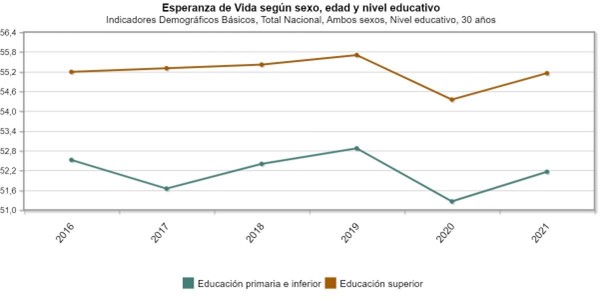
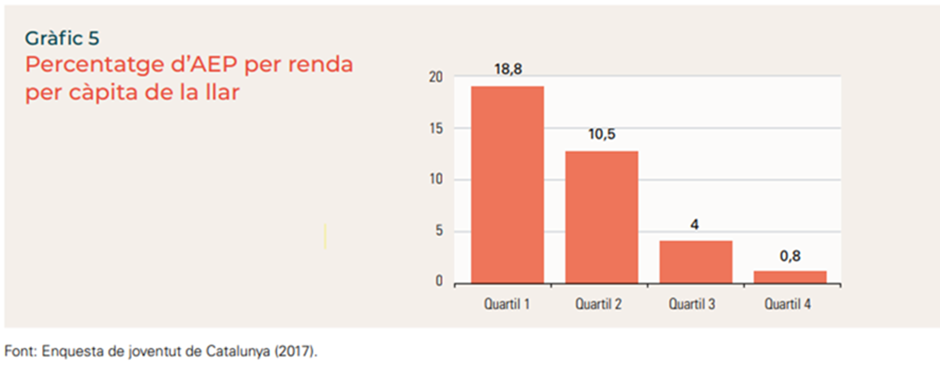
How does educational level impact vital conditions, subjective well-being and life expectancy? We go deeper with data
Educational level and living conditions
It is evident that education plays a fundamental role in improving people’s living conditions and economic well-being. This idea is also in line with the human capital theory of economist Gary S. Becker, set out in his 1964 book ‘Human Capital’. This theory holds that investment in education provides positive returns, such as a higher probability of participation in the labor market, stability in employability and wage improvements. This scenario encourages people with a higher level of education to have more resources and knowledge to access health services, adopt healthy lifestyle habits and make informed decisions that have a positive impact on their health.
At the same time, educational inequalities have long-lasting effects from childhood. Children who grow up in disadvantaged environments are more likely to do less well in school and, as adults, earn lower incomes and experience more difficulties in providing good care for their own children, thus perpetuating the cycle of poverty and early school leaving. These adverse initial conditions significantly affect their future development and opportunities, as highlighted in the World Health Organization’s ‘Closing the Gap in a Generation’ report (2008).
Educational level and well-being
Self-perceived health is also a key indicator of overall health status. People with lower levels of education tend to perceive their health as worse compared to those with more education. According to data collected in the study ‘Perceived health and educational level in Spain’ (Aguilar, Carrera, Rabanaque, 2015), the least educated group in Spain shows a high percentage of poor self-perceived health. This phenomenon, known as the social gradient of health, indicates that the lower the socioeconomic level, the worse the perceived and actual health status, as can be seen in the following graph.
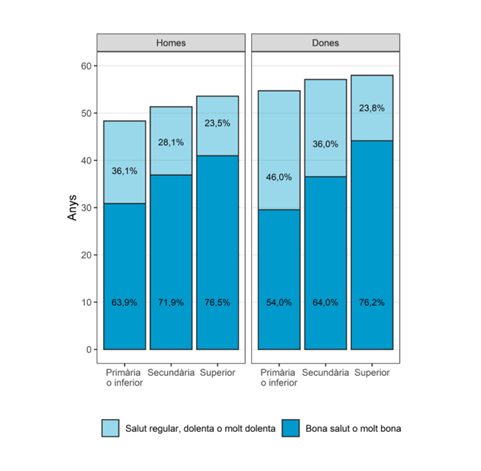
This phenomenon is even worse if we look at women: those with lower levels of education only enjoy good health for a little more than half of their lives, from the age of 30 onwards, while those with higher education do so for three quarters of the time. In other words, women live longer, but in poorer health.
Can a higher level of education make you live longer?
Thus, we see that the relationship between education and life expectancy is clear and strong, since education has a notable impact on mortality and health.
This is also reinforced by the study conducted by the Center for Demographic Studies (Blanes, Trias-Llimós, 2021): people with a lower level of education have a lower life expectancy. This analysis, carried out between 2017 and 2019, shows that in Spain men with higher education live 5 years longer than those with primary or lower education, while the difference in women is just over 3 years. These data show how education can act as a social elevator, improving not only economic conditions but also longevity.

In Catalonia, inequalities in life expectancy between neighborhoods are even more significant. If we focus on Barcelona, according to data from the City Council, the residents of Pedralbes have a life expectancy nine years higher than those of Vallbona. These differences reflect the economic and educational inequalities that coincide with life expectancy between the different areas. People in neighborhoods with higher income and education tend to have better health habits, less exposure to risks and better access to health services, factors that contribute to a longer and healthier life.
Prevention of ASP is a crucial issue for all actors in society, including in terms of health.
In conclusion, the relationship between educational level and health, as well as life expectancy, is evident and even more so in disadvantaged socioeconomic situations. In this sense, as we argued at the beginning, reducing early school leaving is therefore an irrefutable pending task that requires the collaboration of the whole of society. The different social agents have to work in a network to provide a response both in the educational field and in the sector of social entities, both of which must be accompanied by public policies to address the issue in a structural manner.
While educational centers have as a milestone to provide the necessary academic support to students in vulnerable situations, at the community level, social entities and companies can also contribute through projects to improve the opportunities of young people in these contexts. The objective then is to accompany public policies to ensure not only equal access to educational resources but also to work on their continuity.
How can this problem be addressed?
Employability programs such as the ZING program are fundamental to offer support to young people in vulnerable situations, improving their educational opportunities and, by extension, their health and quality of life. Not only by offering equal access to studies, but also by offering constant accompaniment to ensure that the continuity of studies is as guaranteed as possible. In this sense, ZING exemplifies this by offering young people in vulnerable situations various services such as vocational guidance, scholarship programs for access to studies, accompaniment and mentoring services during their itinerary and job orientation. Therefore, ZING not only seeks to reduce the AEP, but also to ensure the improvement of young people’s future prospects, as well as their quality of life.
The situation calls for understanding education as a social elevator that offers educational and professional opportunities that increase the well-being of individuals and their health. With collective and coordinated work, we can try to ensure a fairer and healthier future for everyone, reducing inequalities and promoting a more equitable and healthy society.
Sources consulted:
Aguilar Palacio, I. Carrera Las Fuentes, P., Rabanaque, M.J. (2015). Perceived health and educational level in Spain: trends by autonomous community and sex (2001-2012). Gaceta Sanitaria. https://www.sciencedirect.com/science/article/pii/S0213911114002015?via%3Dihub
Blanes, A., Trias-Llimós, S. (2021). Viure menys anys i en pitjor salut: el peatge de la població amb menor nivell educatiu a Espanya. Centre d’estudis demogràfics. https://www.ced.cat/PD/PerspectivesDemografiques_024_CAT.pdf
CSDH (2008). Closing the gap in a generation: health equity through action on the social determinants of health. Final Report of the Commission on Social Determinants of Health. https://www.who.int/publications/i/item/9789241563703
Curran, M., Montes, A. (2022). L’abandonament escolar prematur a Catalunya. https://fundaciobofill.cat/uploads/docs/y/f/d/isl-abandonament_091122_curran_2.pdf
Jover, A., Manzano, M. (2024). Project of evaluation and improvement of indicators of the Zing Program.
Social Sustainability: Building Lasting Change in our Educational, Social and Health Communities
SOCIAL SUSTAINABILITY: BUILDING LASTING CHANGE IN OUR EDUCATIONAL, SOCIAL AND HEALTH COMMUNITIES
Pau Gomes, Director, Emotional Well-being Area.
In the current context, where attention is focused on the immediate, with a culture of ephemeral consumption and policies that prioritize the short term over the long term, social sustainability in social, educational and health projects takes on even greater relevance. It is not only a matter of addressing current needs, but also of ensuring well-being and equity for future generations, thus promoting fairer and more sustainable development.
Social sustainability refers to the capacity to maintain a balance between social needs, such as equality, justice, health and education, and the capacity to maintain these conditions over time without compromising the well-being of future generations. It involves promoting inclusion, participation and respect for human rights, as well as equity in access to resources and opportunities. Patrick Barron and colleagues (2023)[1] present a conceptual framework for social sustainability with four components: social cohesion, inclusion, resilience and legitimacy of the process, emphasizing the need for collective action for development that equitably benefits all, fostering resilient and just communities and societies. But how do we achieve this?
Aesop, through his fable “The Farmer and his Children”, taught us the importance of constant work and patience to achieve lasting results. With Aesop’s symbolic permission, I have adapted the story by changing the farmer for the farmeress, for two main reasons, because we are in times of progress and gender equality and because it reminds me of my grandmother, for me, a role model.
A farmer, now an old woman and feeling near her end, wanted to make sure her daughters learned the value of hard work and perseverance. She called them all together and said: “My dear daughters, I have worked all my life in these fields, and now that my end is near, I want to reveal to you the secret of my wealth. In our vineyard lies a buried treasure. Dig and you will find it. Remember, only with work will riches be revealed.”
After her death, the farmer’s daughters took her words to heart. They dug diligently in search of treasure, turning over every inch of the ground. Although they found no hidden treasure, the vineyard was so well tilled that it produced an exceptional harvest. In time, they realized that the real treasure their mother had bequeathed to them was the lesson that hard work and perseverance are the true keys to wealth.
The moral of this fable is that there are no shortcuts to lasting success. Steady, cooperative and consistent work seems slow and less attractive than other supposed “hidden treasures,” solutions or magic formulas. However, constancy, cooperation and consistency is actually the surest and most reliable path to the realization of social sustainability goals. This fable is an example for those of us who pursue systemic and sustainable changes through projects in the social, educational and/or health sector.
In order to address the complex challenges facing our society, it is important to adopt a holistic, comprehensive and sustainable approach. Solutions that merely address immediate emergencies are not enough; these efforts must be part of a long-term strategy. In addition, when we get involved in educational and health projects, we discover that the sustainability of the desired changes has several nuances.
Integral Sustainability seeks to foster relationships between people and the collective use of what is common to us. It integrates economics, respect for the environment and social well-being, focusing on the development of equitable systems and the promotion of social justice, inclusion and quality of life. This implies the maintenance and generation of employment, the reduction of poverty and inequalities, the mitigation of situations of social exclusion, the incorporation of gender perspectives and other diversities, as well as the promotion of people’s health and wellbeing.
In this article, we will leave environmental and economic sustainability for other forums and focus on social sustainability, which we can consider as the integrality of community well-being, equity and resilience, and which can be found in the educational, social and health sectors. This definition implicitly underlies certain key principles and determinants for the design, development and evaluation of social, educational and public health projects considered as the three pillars of our welfare state. In this article we will attempt to answer the following question:
How can the long-term and system-wide effects of interventions be sustained?
To sustain means to support, to hold firm something[2]. It is important to precisely define this “something” so that all those involved know the direction and what we must hold firm over time. To know the what, we must also know the why and what for. In our projects, it is necessary to clearly define the changes we wish to pursue in order to reduce, mitigate or solve a particular problematic situation in our society.
Projects intervene at different levels, both at the intrapersonal and at the interpersonal and organizational levels of the system we are part of. At each level, projects act to a greater or lesser extent, generating profound changes in the system.
The person
When we speak of impact at the intrapersonal level, it is when people have acquired knowledge, applied strategies and actions for their educational development, personal and social growth and health promotion. At this level, achieving sustainability means that these people decide to continue applying these strategies because they consider them useful, positive for them, for their environment and/or for their society. This is why projects must be thought of considering people as rights holders, as people who have a voice and the power to determine their immediate reality. Let us flee from protectionist and paternalistic visions: the people with whom we intervene are not merely passive beneficiaries who receive help, they are active people. When we work with children and adolescents, it is essential to count on their opinion and their active participation in whatever the project wants to address. Save The Children in Finland[3] propose a model for integrating children’s perspectives into the planning, development and evaluation of services, combining principles of service design, children’s rights and a child-centered approach. Here the Child-Centered Design methodology is based on active participation processes with dynamics and games in the generation of ideas for possible solutions to improve services. It offers a set of tools and methods to ensure that services are ethically sustainable and responsive to children’s needs, promoting meaningful and enjoyable development processes for the children involved.
In a world with limited resources and full of adversities, interventions must be designed with an accompanying approach, without creating dependency relationships with the intervention itself. As professionals we are not here forever, we are just passing through. The approach and the guarantee of social sustainability must be present in the accompaniment methodology itself. Therapists, educators, teachers, health professionals accompany during a prolonged but finite period of time, providing knowledge, recommendations, strategies and resources so that the person being accompanied can dispense with the help of all these professionals at the end of that time. It is not easy neither for the one who accompanies nor for the one who is accompanied. Whether in a treatment, a therapy, a training course, a learning process or of any social nature, there is always a moment that comes to an end. There is therefore a change of stage. That is why it is recommended to opt for gradual transitions that go from a greater intensity of intervention to a lesser one, with determination and firmness in each small step that is taken in the change of phase. It is essential that this transition is made with the greatest guarantees for the sustainability of what has been learned and changed during the accompaniment process. It is important to prepare this transition from the beginning of the intervention, with a shared planning, with a frequent check of expectations, considering the needs of each moment and with a clear communication of the necessary information, and with the tools and resources available for each phase.
The community
People are part of communities in which, through our behaviors and interactions, we directly influence the development of the community. In the interpersonal sphere, more communitarian, social, educational or health projects influence and influence all those relationships and ties between people. If the intrapersonal sphere is already a complex area due to the great diversity of personalities, feelings, beliefs, mental schemes and perceptions of people, the area of relationships between people is even more complex. It is in these connections that the major keys to social sustainability lie, so that the effects of our interventions last over time.
A community is formed from a set of networks of relationships that interact with each other, sharing common norms and values. These norms and values enable the creation of a supportive and connected group. In essence, a community is an active and mobilized group whose members collaborate and act together. We can draw inspiration from community social pedagogy, a social and educational approach whose main objective is to improve people’s quality of life and well-being, as well as to promote social cohesion. To achieve these objectives, it is essential to empower individuals and encourage their active participation, which requires socially engaged citizenship.
For social sustainability, at the community level, the lessons and reflections shared by Sascha Haselmayer (2023)[4] through his alternative approach called “The Slow Lane” are promising. He conveys this to us in five principles that focus on transforming the way we approach social change.
The first is to contain the urgency. Haselmayer suggests resisting the pressure to act hastily in situations of high urgency. He stresses the importance of not sacrificing inclusiveness and participation in the rush for immediate results. Instead, he advocates taking the time necessary to ensure that solutions consider all those affected, recognizing that speeding things up will not necessarily get us to our desired destination any faster.
The second is listening. It emphasizes the importance of listening with humility and recognizing the limitations of our own listening skills. This principle values treating others as equal contributors and is fundamental to building the trust needed to change hearts and minds. Authenticity in listening allows new solutions to emerge and keeps people engaged for the long term.
Sharing agency without imposing solutions is the third. It encourages creating environments where even the least prepared people feel comfortable and able to contribute and exercise their power. This principle rejects the imposition of answers and focuses on empowering everyone, practicing patience and taking care that the invitation to participate meets people where they are and remains open to everyone at all times. Later in this article, it will be interesting to connect it to the work of Whitehead who has also analyzed the role of active participation of communities in community-based projects.
The fourth is to encourage curiosity. This principle opposes fixation on a single answer. Curiosity makes the process more inclusive and allows transformative visions to emerge. It motivates us to unlearn preconceptions and be open to new ideas, seeking inspiration beyond our immediate reality. Curiosity also facilitates the flexibility needed to find common ground.
The fifth and last is use technology as an enabler. This principle advocates against the use of technology to dominate others and suggests developing strong human values, principles and behaviors that technology can enable. In this vision, technology is owned by everyone and creative new ways are used to facilitate the best of human relationships.
The knowledge, recommendations, strategies and resources provided by the projects will change the mindsets of each individual, which in turn will change conversations, dynamics and activities that occur between people within the community. In educational, social and health projects, it is key that they are based in the community. When we talk about community, it is important to explain what we are referring to. That is to say, is it a geographical space, a group of people in a more relational sense, which people, an entity or a group of entities or social, educational or health organizations? It is key to identify the commitment of that group of people to that same community.
In terms of Monitoring, Evaluation and Learning (MEL), Hawe (1994)[5] explains how evaluations of community health promotion interventions may underestimate the benefits of an intervention if only individual-level changes in health behavior or attitude are reported, without capturing improvements in a community’s problem-solving capacity and competence to address the problems it faces. Empowerment can be considered an outcome variable in community interventions if capacity building is a core activity of an intervention. Active and interactive strategies should be used to articulate what empowerment really means and to challenge what success of an intervention really means in interactive dialogues with program workers and the community. For those of us who intervene in social, educational and health projects, we are increasingly moving from viewing community as a merely reinforcing scheme to the concept of community as an organization that has the capacity to work toward solutions to its own community-identified problems. Hawe stresses the importance of not designing the evaluation in isolation, but of actively working with program workers and producing the evaluation design in an interactive manner. This reveals the true value that the program places on the role of community and, at times, even for the program workers themselves. This approach challenges evaluations based solely on behavior and argues for a richer and more multifaceted appreciation of the success of community interventions.
The fundamental aspects of a community intervention include strategies such as mobilization of people, self-help and mutual support initiatives, action in a variety of settings such as work, schools, health centers, as well as policies and initiatives at the regulatory and legal level that promote or limit certain practices. This approach also involves the participation of community leaders, social support networks and all kinds of community groups [6] [7] [8].
Whitehead (2002) distinguishes up to seven varieties of community-based projects[9], based on the role of active participation of communities and external agents. Each approach has its own criteria for evaluating success or failure. It is worth mentioning that those programs implemented with balanced and equitable participation between the community and external agents is the most desirable to achieve social sustainability, because it balances the strengths of all parties.
Therefore, it is important to mention the active participation of individuals and the community and the need for community participation processes, with spaces of place and time to reflect, reach consensus and align the agents in a common direction. This requires constant, cooperative and consistent work, as Aesop’s opening fable reminds us.
The effectiveness of alliances
Community health, through its collaborative and sustainable approach, mobilizes resources and establishes partnerships between various sectors such as health, education and social services. This intersectoral approach is fundamental because it can address the social determinants of health. Based on published literature and good practice experiences, Gillies (1998)[10] has evaluated the effectiveness of alliances or partnerships for health promotion in different contexts. The active involvement of the community in setting agendas for action and in the practice of health promotion significantly increases the impact of these initiatives. Volunteer activities, peer-to-peer social projects, and civic activities maximize the benefits of community-based approaches. The creation of durable structures that facilitate planning and decision-making, such as commissions, task forces, committees, and interdepartmental councils, are key to the success of health promotion alliances or partnerships. These structures also support the distribution of power, responsibility, and authority for change, maintaining order and programmatic relevance. The existence and implementation of policies for health promotion activities at national, regional, and local levels is crucial to the sustainability of these initiatives. Gillies proposes social capital as an important framework for organizing our thinking about the broader determinants of health and how to influence them through community-based approaches to reduce inequalities in health and well-being.
Undoubtedly, collaborations and alliances between public, private and/or third sector entities work if they are done properly. These alliances are part of the way to achieve changes that are sustainable in the long term and have the potential to change the system.
In both alliances and long-lasting structures, it is essential to clearly establish expectations and objectives among all participants. This will guide the community to proactively assume their role in the project, thus strengthening their empowerment. Effective communication and unification of governance and responsibilities will foster the commitment, both individual and collective, that is desired during and after the project. Omitting this initial step may force a reconsideration of the project’s viability. This step is key to ensuring the long-term sustainability of the project.

Empowerment
As noted above with Hawe’s analysis, empowerment plays a key role in the sustainability of social, educational and health projects. This concept is defined as the process by which individuals, groups or communities gain control over their circumstances to achieve their goals and improve their quality of life, as described by several authors[11] [12]. Empowerment depends on the ability to shift power and expand it, often through the acquisition of knowledge, skills and resources. It involves enabling people to develop mastery over actions and control over decisions that influence their lives, both through the processes and outcomes of this development. Empowerment can be understood in various contexts, such as psychological empowerment, patient empowerment, and women’s empowerment, each with its specific dimensions and implications[13] [14]. It is a multidimensional concept that can be influenced by factors such as resources, agency, achievement, and the political context in which it is applied.
Christens (2012)[15] argues that empowerment is a desirable outcome for community development projects, as it is associated with higher levels of community participation and has protective effects for mental health. Christens proposes several organizational and community practices and processes to achieve empowerment.
Empowering community environments that enable people to play meaningful roles, provide social support, access to social networks in different organizations and promote community action. These environments contribute to individual psychological development, community development and positive social change.
Unfortunately, there are environments where individuals or groups are in a position of lesser importance or power, i.e. are ignored or relegated to the margins of the social debate. Christens discusses how this marginalization and mental health are interconnected, suggesting that empowerment can play a critical role in improving mental health through reducing inequality and improving the community context. That is why empowerment should be addressed with a transactional approach to community development that involves the interaction between individuals and their contexts. This means that psychological and community empowerment are mutually dependent and must be considered together for effective impact.
Christens advocates including empowerment as an objective outcome in the design, implementation, and evaluation of community development projects. He suggests that this can contribute to programmatic sustainability and promote positive mental health outcomes.
Nikkah and Redzuan (2009)[16] examine the relationship between participation in community development and empowerment, with the ultimate goal of improving the quality of life of communities through empowerment. However, they point out that it is essential to differentiate between types of participation to achieve this goal. Nikkhah and Redzuan distinguish between participation as a means and participation as an end. Participation as a means uses people’s resources to achieve predetermined objectives, while participation as an end involves a process in which people are directly involved in and take control of decisions that affect their lives. Both authors argue that participation as an end is what leads to empowerment.
The authors examine three main approaches: top-down, bottom-up, and partnership. Both conclude that the bottom-up approach, where the community initiates and manages development, is the most effective in achieving empowerment and long-term sustainable development.
Design of projects for sustainability
For the design of sustainable projects with a long-term vision, it is essential to recognize communities as bearers of fundamental rights. Integrating a deep understanding of human rights into social, educational or health projects is key to empowering people and their communities. This fosters the protection and promotion of people’s health, well-being and social inclusion.
In the context of projects with a long-term vision, collective learning and participation are essential to ensure project success and sustainability. The creation of communities of practice within these projects can contribute to innovation and social sustainability, as they allow members to share knowledge, experiences and perspectives, which can lead to the generation of creative ideas and solutions.[17] The three predominant characteristics that can be distinguished in a community of practice are related to the group’s identity, links and work[18] [19] [20].
To ensure the effectiveness and sustainability of educational, social and health projects, it is necessary to implement a multilevel strategy that encompasses the organization and the community in which it intervenes. This includes the integration of all leadership, both formal and informal, within the community. It is essential to allocate spaces and develop various actions to promote the active participation of all organizational levels, as well as to foster greater awareness within the organization. This integrative and multidimensional approach is key to achieving a solid commitment that will support the long-term sustainability of the project.
To ensure the sustainability of the project, it is essential to implement Monitoring, Evaluation and Learning (MEL) systems. It is essential to continuously draw lessons from the project’s achievements and difficulties, which is vital for its development and growth. This process can be facilitated through constant reflection, feedback and participatory evaluations that actively involve the different stakeholders.
Beyond the organization or community where it operates, weaving links and alliances with other entities, institutions or experts of reference will enhance both the impact and the sustainability of the project. This can be achieved through one-off collaborations, shared projects, knowledge-sharing programs and successful practices. Creating these alliances will reinforce long-term change in the ecosystem where we intervene, as well as the broader systemic change we seek.
Returning to the conceptual framework proposed by Barron et al. (2023)[21], they highlight social cohesion, inclusion, resilience and legitimacy in processes as components for social sustainability. The existence of a common purpose, trust and a collaborative attitude within communities and also between different communities and public administrations will enable social cohesion. To achieve social sustainability, it must be ensured that all people are included, first that they have access to services that respond to basic needs, and then that they have the opportunity to actively participate in society. Community resilience ensures that all people, especially those in vulnerable situations, are protected and are able to withstand and overcome adversity, while maintaining and respecting their cultural identity. Process legitimacy focuses on the way in which public decisions are decided and implemented, ensuring that the parties involved consider these decisions as fair and valid. Process legitimacy will be based on the credibility of decision-makers, consistency with agreed rules and social values, perceived benefits, participation and transparency.
Planet Youth[22], which originated in Iceland, is an example of how a well-founded, community-integrated intervention can have a profound effect on public health and the well-being of young people. It is an outstanding initiative for its preventive and community-based approach to adolescent substance use. Developed from the Icelandic Prevention Model, it is based on a participatory methodology and scientific evidence, with more than two decades of proven results in reducing substance use. Planet Youth’s effectiveness is based on several key principles and steps that include the active participation of the entire community: families, schools, peer groups and extracurricular activities. The initiative promotes a comprehensive approach that not only addresses youth, but also the environment around them, working to strengthen protective factors and mitigate risk factors associated with substance use. This approach is flexible and adaptable, allowing for its implementation in diverse communities beyond Iceland. Its evidence-based methodology and focus on community participation make it a replicable and effective model. It also serves as a source of inspiration, demonstrating that systemic change is possible.
The Peaceful Schools[23] program described in the article Twemlow, Fonagy and Sacco (2005)[24] focuses on creating a more peaceful and productive school environment through mindfulness. This approach involves the entire school community, i.e. focusing on relationships within the school social system, rather than isolated individuals. This intervention included positive climate campaigns, classroom management focused on problem solving rather than sanctioning, mediation, peer and teacher mentoring, a physical education program, and reflection times to discuss power dynamics and mindfulness in the classroom. These programs have been in place for 25 years and have helped give students the tools they need to meet the challenges of life and the community.
The Nous Cims Foundation is building its programs to achieve social sustainability of the direct effects of its interventions as well as the empowerment of the communities where they are working. Komtü[25] uses the methodology of reflective practice as an element for the empowerment of people. A process by which the person engages in critical thinking about his or her experiences and in which he or she draws lessons from his or her practices. Through this methodology, we give teachers the opportunity to adopt an emotional wellbeing approach to their students and to themselves. Following the community approach, we see how both Komtü and Domum[26], another program for the oncology patient, work to create structures of people in the community in order to endure and sustain the relational dynamics that allow the community to continue its mission of fostering emotional well-being. Koa[27] also works for the training of the educators who are accompanying the adolescents, providing tools that the educator herself will be able to use with the adolescents and people she accompanies throughout their personal journey. The use of an empowering methodology as part of the intervention, the training and development of professionals, the training of trainers, the accompaniment of people are the strategies chosen by Nous Cims programs, contributing to incorporate the look of emotional well-being in the social, educational and health sectors.
Contextual challenges and potential risks
Challenges also arise that deserve our attention in order to achieve social sustainability. Projects such as those mentioned above pose risks arising from both internal and external factors, influenced by political, social, economic and technological changes. Externally, aspects such as economic fluctuations and changes in government policies can have a direct impact on funding and support for initiatives in these sectors. Existing socioeconomic inequalities in society play a relevant role, affecting to varying degrees the success and changes that the project seeks to implement. It is essential to take into account public policies and legal regulations, as they provide a solid foundation for projects. Changes in these regulations are aspects to which projects must adapt to ensure their continuity and effectiveness.
Dependence on a single source of funding or limited resources can make a project vulnerable to changes in the availability of such funds. For example, a social project funded solely by a government grant may face difficulties if the government decides to cut the budget for such initiatives. It is recommended to diversify the source of funding.
Depending on the sector, there is a constant rotation and movement in the work teams. The frequent loss or change of key team members can affect the continuity and effectiveness of the project. For example, an educational project loses its main coordinator, leading to a disruption in the implementation of the planned curriculum. Projects should consider including multiple people in leadership roles, avoiding concentrating formal leadership in one person. In addition, it is crucial to implement continuous training programs that facilitate the transfer of knowledge and learning. The implementation of programs aimed at staff loyalty and professional development is essential to minimize employee turnover in the teams. Working conditions, which can be precarious in certain sectors, also play a significant role in the high turnover rate.
Over time, the initial enthusiasm and commitment of community agents may diminish, affecting the progress and results of the project. Here it is important to establish mechanisms for feedback and active participation of the community in decision making, as well as to preserve spaces for recognition and celebration of achievements in order to maintain initial motivation and commitment.
Overestimating the community’s capacity to sustain the project without external support can lead to its failure once that support is withdrawn. For example, a community health initiative that fails to take root in the daily practices of the population and ends up being unsustainable on its own. This is why confidence in the community’s own resources and capabilities needs to be considered from the beginning of the project. Periodic monitoring and evaluation of community capacities is key to adjusting support as needed. It is important that withdrawals of support be gradual and respect the empowerment processes as we have seen above. This will minimize the “wind-down” effect that occurs when the effects of an intervention diminish over time. The drop-off is important to consider when assessing the long-term impact of an intervention. We cannot assume that impacts will stand on their own and by themselves over time; instead, the focus should be on empowering, preparing and enabling those involved to take responsibility for the effects and impacts resulting from our and their interventions.
An interdisciplinary workshop described by Kubzansky et al. (2023) explored the potential of psychological well-being interventions to improve population health, while noting the need for future research to address challenges regarding the durability, scalability, and effectiveness of these interventions in diverse populations[28]. It is important to consider effect sizes in psychological well-being interventions, questioning whether the observed effects are large enough to influence long-term health and behavior. The heterogeneity of outcomes and the need to better understand where and with whom these interventions work suggests that even small effects may be valuable if the interventions are easy to implement on a large scale. It can be ensured that the effects of wellness interventions are sustained over time, through habit formation or changes in cognitive perception and processing. It is also important to develop interventions that can be scalable, easily distributed and adopted by the population, considering the use of digital technologies and other means to facilitate large-scale implementation. Again like the authors already cited, Kubzansky et al. recommend adapting and contextualizing interventions for different populations and contexts, recognizing that the effectiveness of interventions may vary significantly across demographic and cultural groups, and suggest further research to optimize interventions for minority and underserved groups.
And to end this article, we will finish as we began, with another complementary Aesop’s fable. It is the fable of the bundle of sticks, again adapted.
An elderly woman was concerned that her daughters were constantly fighting with each other, and feared that their discord would lead to their ruin. Seeking to teach them the value of unity, the woman devised a plan. She called her daughters together and presented them with a bundle of sticks, tied tightly together, and asked them to try to break it.
One by one, each daughter tried to break the bundle of rods. They used all their strength, trying different methods, but none could bend or break the bundle. Frustrated and confused, they finally gave up and returned the bundle of sticks to their mother.
Then the mother untied the bundle and separated the rods, handing each daughter an individual rod. “Now, break your own,” she told them. Effortlessly, each daughter broke her individual rod. The mother used this moment to teach them a valuable lesson: “My daughters, if you stay together and united like the bundle of rods, you will be invincible. But if they divide and face challenges alone, they will be as easy to break as these individual rods.”
The moral of this fable is clear: unity is strength. Through cooperation and unity, obstacles that would seem insurmountable for an individual acting alone can be overcome. To achieve social sustainability of our projects in our educational, social and health communities requires constant work and cooperation. As the moral of this fable, which coincides with the motto on the coat of arms of a great little country in the Pyrenees, says: Unity is strength or Virtue united is stronger.
[1] Barron, P., Cord, L., Cuesta, J., Espinoza, S. A., Larson, G., & Woolcock, M. (2023). What is Social Sustainability?
[2] Real Academia Española: Diccionario de la lengua española, 23rd ed., [version 23.7 online]. < https://dle.rae.es/sostener> [Thursday, March 28, 2024].
[3] Kalliomeri, R., Mettinen, K., Ohlsson, A.-M., Soini, S., & Tulensalo, H. (2020). Child-centered design. Save the Children Finland.
[4] Haselmayer, S. (2023). The Slow Lane: Movements for Social Progress. Leader to Leader, (Summer 2023), 32-37.
[5] Hawe, P. (1994). Capturing the meaning of ‘community’in community intervention evaluation: some contributions from community psychology. Health Promotion International, 9(3), 199-210.
[6] McLeroy, K. R., Norton, B. L., Kegler, M. C., Burdine, J. N., & Sumaya, C. V. (2003). Community-based interventions. American journal of public health, 93(4), 529-533.
[7] Merzel, C., & D’Afflitti, J. (2003). Reconsidering community-based health promotion: promise, performance, and potential. American journal of public health, 93(4), 557-574.
[8] Marínez, G. J. S., Cortés, C. F. B., Lozano, J. C. V., & Piñeros, F. S. (2018). Effectiveness of community-based interventions for the prevention of suicidal acts. A systematic review. Entornos Journal, 31(1), 197-210.
[9] Whitehead, T. (2002). Community based interventions, definitions and types. The cultural ecology of health and change (CEHC). Maryland: University of Maryland .
[10] Gillies, P. (1998). Effectiveness of alliances and partnerships for health promotion. Health promotion international, 99-120.
[11 Fumagalli, L. P., Radaelli, G., Lettieri, E., & Masella, C. (2015). Patient empowerment and its neighbors: clarifying the boundaries and their mutual relationships. Health policy, 119(3), 384-394.
[12] Zimmerman, M. A. (1995). Psychological empowerment: Issues and illustrations. American journal of community psychology, 23, 581-599.
[13] Menon, S. T. (1999). Psychological empowerment: Definition, measurement, and validation. Canadian Journal of Behavioural Science/Revue canadienne des sciences du comportement, 31(3), 161.
[14] Kabeer, N. (1999). Resources, agency, achievements: Reflections on the measurement of women’s empowerment. Development and change, 30(3), 435-464.
[15] Christens, B. D. (2012). Targeting empowerment in community development: A community psychology approach to enhancing local power and well-being. Community development journal, 47(4), 538-554.
[16] Nikkhah, H. A., & Redzuan, M. (2009). Participation as a medium of empowerment in community development. European Journal of Social Sciences, 11(1), 170-176.
[17] Zanfrillo, A. I., & Allende Hernández, O. (2018). Community of practice as a strategy for the sustainability of productive projects.
[18] Wenger, E. (1999). Communities of practice: Learning, meaning, and identity. Cambridge university press.
[19] Bronfman, S. V. (2011). Communities of practice. Educate, 51-68.
[20] Wenger, E., McDermott, R., & Snyder, W. M. (2002). Seven principles for cultivating communities of practice. Cultivating Communities of Practice: a guide to managing knowledge, 4, 1-19.
[21] Barron, P., Cord, L., Cuesta, J., Espinoza, S. A., Larson, G., & Woolcock, M. (2023, April 27). Social sustainability: a critical gap in the global development agenda. World Bank Blogs. https://blogs.worldbank.org/en/developmenttalk/social-sustainability-critical-gap-global-development-agenda
[22] Kristjansson AL, Mann MJ, Sigfusson J, Thorisdottir IE, Allegrante JP, Sigfusdottir ID. Guiding Principles and Development of the Icelandic Model for Adolescent Substance Use Prevention. Health Promotion Practice. 2020;0(0).
[23] Peaceful Schools – we help students use their power to be peaceful (2019, May 6). Peaceful Schools. Retrieved April 10, 2024, https://peacefulschools.com/
[24] Twemlow, S. W., Fonagy, P., & Sacco, F. C. (2005). A developmental approach to mentalizing communities: II. The Peaceful Schools experiment. Bulletin of the Menninger Clinic, 69(4), 282-304.
[25] Komtü Program (2020, May 15). Retrieved April 10, 2024, from Komtü. https://www.komtu.org/
[26] Domum Programme. Retrieved April 10, 2024, from https://www.domumprogramme.org/
[Koa Programme ( 2021, July 13). Nous Cims Private Foundation. Retrieved April 10, 2024, from https://www.nouscims.com/proyecto/koa-programme/
[28] Kubzansky, L. D., Kim, E. S., Boehm, J. K., Davidson, R. J., Huffman, J. C., Loucks, E. B., … & Moskowitz, J. T. (2023). Interventions to modify psychological well-being: Progress, promises, and an agenda for future research. Affective Science, 4(1), 174-184.
A holistic evaluation of mentoring
A HOLISTIC ASSESSMENT OF MENTORING
Alba López Martínez and Víctor González Núñez, Mentoring Technician and Coordinator of the accompaniment axis.
Socio-educational mentoring has emerged as a powerful tool, but to date its impact has been little evaluated and contrasted by the different projects that carry it out.

As we argued in the first Congress of the Ibero-American Mentoring Network (RIME), evaluation has a fundamental role in order to analyze the real impact and not rely on conclusions and intuitions that are not very empirical (González Núñez, 2023).[1]. Also during the congress, we were able to reflect on the importance of evaluating the processes not only to measure the impact, but also to add value and thus offer the participants an improved version each time (López Martínez, 2023).[2].
On the other hand, Rhodes also emphasizes the importance of delving deeper into the effects of mentoring in the social domain, an area that has not been addressed in detail and that constitutes a knowledge gap. More research and broad, interdisciplinary theoretical frameworks are needed to guide the actions of organizations implementing social mentoring programs (Rhodes et al., 2006).
That is why from the Zing Mentoring project, we have created an instrument that allows us to analyze and evaluate the impact that mentoring relationships have on both young people and mentors. This tool provides us with the IQA (Índex de Qualitat dels Acompanyaments), a quantitative result obtained through the sum and weighting of several indicators derived from evaluations made throughout the course to the mentoring couple.
Composite indicators, a common evaluative practice in major international governance bodies
The aggregation of several variables in order to obtain one is known as a composite indicator, and is considered a good evaluative practice when seeking to obtain a simplified representation that summarizes a multidimensional concept in a unidimensional one. [3]
This data collection is framed within the quantitative evaluation typology, which shows us in numbers and graphs what is observable, connecting the empirical observation and the mathematical expression derived from having asked at all times specific and quantifiable questions, all framed within the rationalist paradigm.
One of the best known examples of the use of composite indicators is the MPI.[4] (Multidimensional Poverty Index), by the United Nations, or the GDI.[5] (Gender Inequality Index), by EIGE, the European Institute for Gender Equality. In the case of the MPI, there are 9 aggregated indicators, while in the GDI there are up to 31.
We believe it is pertinent to make this clarification, as well as to specify that in intervention projects with people, as is the case of socio-educational mentoring projects, it is essential to take into account and give a high value to qualitative research. As Cotán (2016) states.[6], this typology has “great importance due to the subjective experience of individuals in the construction of the social world, understanding reality as multiple and divergent”. Qualitative research seeks, therefore, the deepest possible understanding, while quantitative research seeks accuracy.
Having made this brief note, and understanding the vital importance that depth and, therefore, qualitative evaluations have in interventions of this type, we can go on to explain and understand the Mentoring Quality Index, the compilation of quantitative data that will allow us to have a fairly accurate picture of what has happened within a mentoring relationship.
Understanding first of all that we are simplifying the data we have, and before seeing what potential this has, it is key to keep in mind that this aggregation of data must be conceptually supported on the basis of an underlying model.
Once all these elements linked to the model have been analyzed, we have a clear view of the information that we wish to extract and measure in order to verify that the determined objectives are achieved and to what degree they are achieved. At this point we design the corresponding indicators for such verification and choose those we consider to be most relevant for such analysis.
In the case of the Mentoring project of the ZING Program, the technical team decided that there are 25 key indicators that allow us to get closer to knowing what has been the quality of the accompaniment within the framework of a relationship. Despite being able to prioritize them, we consider that the aggregate of these 25 variables will contribute to the formulation and analysis of future interventions, as well as to their evaluation and communication.
Even so, these types of composite indicators facilitate:
a) Interpretation of the scenarios by the decision-makers (the coordinators or designers of these interventions).
b) its justification to current or future funders (public or private) by creating an accessible narrative that helps us explain what we do.
c) Comparison between different projects (with the aim of being able to transfer what good practices one project does or another does if we establish causal inferences).
d) The evolution of the same project from year to year in order to determine what elements of improvement may exist, and finally to be able to establish parameters that make it possible to foresee the best quality of an accompaniment according to certain actions that are developed within it.
This tool also has its risks, which can be grouped into two:
- Lack of methodological care in the compilation of data.
- Lack of information on them.
The first point leads us to talk about the sources through which we obtain the data, where we consider that there is room for improvement. These sources are four:
- Objective aspects, such as the number of meetings, the number of Quarterly Evaluation Meetings or the attendance to the Group Cultural Activities.
- The youth’s evaluation of the impact that mentoring has had on him/her.
- The mentor’s evaluation of the impact the mentoring has had on him/herself and on the mentee.
- The benchmarking technique’s evaluation of the impact that mentoring has had on the partners.
Although it is a common practice in the evaluation of socio-educational mentoring projects, as well as in the social field in general, self-assessment is a tool that has certain limitations, mainly the bias that stakeholders (in this case the mentored person and the mentor) may have when assessing the impact that the accompaniment has had on them. In this sense, from the Nous Cims Foundation we are developing the Competency Assessment Tool, together with the Social Mentoring Coordinator, the consulting firm specializing in employability skills EySkills and six social mentoring entities. The EAC must allow us to have observable behaviors that the maximum number of possible agents (educational tutor, mentor, mentoring technician, family, young person) can evaluate, and thus leave the least possible margin for subjective interpretation of the data; something that is of particular relevance when we want to determine the impact that the action has had on the development of transversal competencies.
The second point is the importance of the validity of the data. At the individual level of each accompaniment, the fact that the young person and mentor have usually answered the follow-up questionnaires, as well as the end-of-course evaluation, will be essential to be able to determine that the final data are relevant and pertinent. While at a general level, having a high number of responses, especially in the final evaluation, will allow us to validate the data that may come out, and to draw conclusions and analysis of them without generalizations or misinterpretations.
The tool: IQA
The IQA arose from the need to make a more quantitative assessment of mentoring relationships, and so during the 21/22 academic year, the team created the first version of the tool. Currently, we continue to make annual improvements that allow us to obtain live and dynamic results, which favor technical follow-up and provide more information on the evolution of these relationships so that we can also make improvements.
As we can see in Figure 1, the tool consists of 25 indicators extracted from various evaluations carried out throughout the course, which can be divided into five blocks.
The first block consists of the “hard” data, where the scores are drawn from several factors; the closure, where the time the relationship has been alive, the number of meetings they have held during the course, the cultural activities they have attended and the number of quarterly meetings that have been held with the reference technique are evaluated.
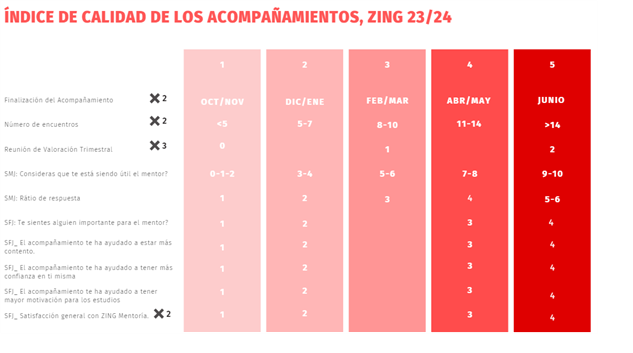
The second block extracts the scores of the evaluations carried out by the young person during various moments of the course; monthly continuous evaluation, the final evaluation of the course, the notes extracted from the competency observation grid and the academic results. On the other hand, we have the third block, which is nourished by the scores made by the mentor during the whole course in the following moments: continuous evaluation every time he/she meets the mentor, the final evaluation and the trainings.
The fourth and fifth blocks are aimed at obtaining more qualitative information on the relationship, extracted from the perception of both the reference technician and the educators or educational agents. This note, among others, has been and is a subject of debate in the team, as well as other aspects such as whether the moment of initiation of the relationship should be a factor to be taken into account or whether the couples who repeat should have different weightings.
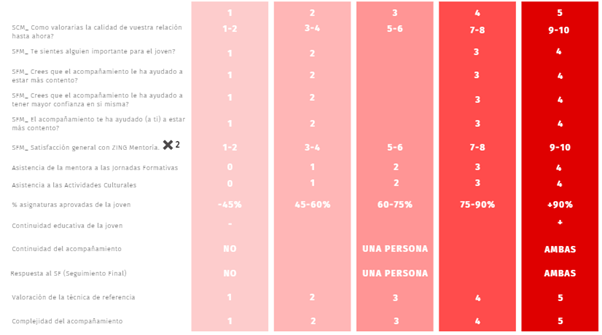
For this reason, work is already underway on the third update of the tool, where all these issues, along with other improvements, must be taken into account and discussed, such as the impact of mentoring on strengthening social cohesion and how to measure it.
Challenges and partial conclusions on the IQA
In the current state of primary development of the index, and in addition to the constant revision of the indicators that are part of it, there are two main challenges to further refine and improve the reliability of the tool when concluding aspects:
- The first is the use we can make of the extracted data, and here we can refer to two aspects: on the one hand, the possibility of having a live updated IQA during the course of the mentoring relationship could be a tool that very quickly and visibly provides information to the technical team doing the follow-up on what is happening (or not happening) within a mentoring relationship. This point could mean an important advance in the qualitative intervention of the techniques, which would hypothetically lead to a higher quality of the accompaniments; as well as to a more efficient management of the available resources by being able to have a very agile snapshot of each relationship, not only once the mentoring ends in July. And, on the other hand, the cross-referencing of the aggregate data in the IQA with other variables such as age, gender, type of studies, etc. to draw conclusions about the profile of young people or mentors for whom this type of intervention has a greater impact.
- The second is the establishment of control groups, in the broadest sense of the concept, to compare the final data with other relevant data. This could be derived from the comparison between different academic courses within the same project or the comparison with other mentoring projects that can be used to detect good practices and thus transfer valuable knowledge.
In conclusion, we consider the Mentoring Quality Index to be a valuable tool for evaluating the overall development of a mentoring project within the framework of an academic year. It is also a tool with potential to analyze at a micro level what has happened in a mentoring relationship, and to draw conclusions about certain patterns of good behavior or profiles with potential for greater impact.
We also believe that the possible development of the IQA requires the validation of its contents by umbrella entities such as the Social Mentoring Coordinator, which will allow us to assess its possible transfer and adaptation to other projects.
Finally, despite the promising conclusions that an index such as the IQA can offer to the projects that implement it, we stress the need to deepen and give value to qualitative evaluation, to go into depth to understand the impact on the people involved in a mentoring relationship.
References
[1] González Núñez, V. (2023). Evaluating its impact, one of the keys to the future of socio-educational mentoring. RIME, 1st Iberoamerican Congress for Quality Education: Mentoring and Competency Development. Barcelona. https://www.nouscims.com/evaluar-su-impacto-una-de-las-claves-del-futuro-de-la-mentoria-socioeducativa/
[2] López Martínez, A. (2023). The experience of the ZING mentoring program in the acquisition of educational and labor competencies. RIME, 1st Iberoamerican Congress for quality education: Mentoring and Competency Development. Barcelona. https://www.nouscims.com/la-experiencia-del-programa-de-mentoria-zing-en-la-adquisicion-de-competencias-educativas-y-laborales/
[3] Schuschny, H, and Soto, A (2009). Methodological guide for the design of composite indicators of sustainable development. ECLAC-UN. Santiago de Chile. https://repositorio.cepal.org/server/api/core/bitstreams/a627f68b-9902-4fa2-a516-912a903ecf22/content
[4] Action Against Hunger (2022). Poverty index, what is it and how is it calculated?. https://www.accioncontraelhambre.org/es/indice-pobreza-que-es
[5] Statistical Institute of Catalonia (2022). Gender Equality Index. https://www.idescat.cat/pub/?id=iig&lang=es&m=m
[6] Cotán Fernández, A. (2016). The meaning of qualitative research. Isabel University. Burgos. https://www.ceuandalucia.es/escuelaabierta/pdf/articulos_ea19/EA19-sentido.pdf
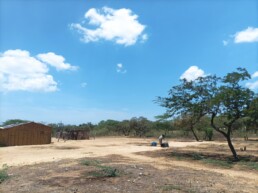
Reflection on climate change and nutrition
REFLECTION ON CLIMATE CHANGE AND NUTRITION
Inés Azaiez, Programme Manager Nutrition, Global Development Area
“It is clear that decisions we are making every day—how we heat our homes, what we eat, how we move around, what we choose to purchase—are making our food less nutritious, and imperiling the health of other populations and future generations” (Sam Myers, principal scientist at the Harvard School).
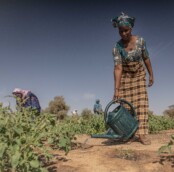
Climate change is one of the biggest challenges facing both our, and future, generations. The climate crisis is accelerating faster than previously anticipated, with various models predicting alarming to catastrophic impacts of the climate crisis on humans and the environment. In a world where undernutrition is declining very slowly and overnutrition is increasing rapidly, climate change will have multifaceted and severe effects on nutritional status and therefore survival, health and development outcomes. Climate change and nutrition have overlapping agendas and enhanced collaboration could generate a common agenda for both communities.
According to the FAO [1], it is estimated that between 691 and 783 million people in the world faced hunger in 2022 while more than 3.1 billion people in the world – or 42% – were unable to afford a healthy diet in 2021.
Currently, an estimated 148.1 million children under five years of age (22.3%) were stunted, 45 million (6.8%) were wasted, and 37 million (5.6%) were overweight.
The last report reports published by The Intergovernmental Panel on Climate Change [2] confirm that Human activities, principally through emissions of greenhouse gases, have unequivocally caused global warming, with global surface temperature reaching 1.1°C above 1850–1900 in 2011–2020. Global greenhouse gas emissions have continued to increase over 2010–2019, with unequal historical and ongoing contributions arising from unsustainable energy use, land use and land-use change, lifestyles and patterns of consumption and production across regions, between and within countries, and between individuals (high confidence).
Human-caused climate change is already affecting many weather and climate extremes in every region across the globe. This has led to widespread adverse impacts on food and water security, human health and on economies and society and related losses and damages to nature and people. Vulnerable communities who have historically contributed the least to current climate change are disproportionately affected.
Climate change and undernutrition
Climate change exacerbates undernutrition through three causal pathways related to (or though combined effects on) food security, care practices and health. Quantifying the effects of climate change on undernutrition is a complex exercise, due to the multiple causal pathways leading to undernutrition [3].
An increasingly large body of evidence indicates that undernutrition in all populations, particularly vulnerable populations (such as women, infants, children and adolescents), is likely to be magnified by climate change, without effective countermeasures. The impacts of climate variability and change on nutrition occur indirectly, by exacerbating existing threats to “food, care and health”. The mechanisms through which climate change jeopardizes “food, care and health”-related determinants of nutrition, are myriad. The arrows on the left in Figure 1 highlight that climate variability and change can also affect the entire food system at multiple levels (immediate, underlying and basic).
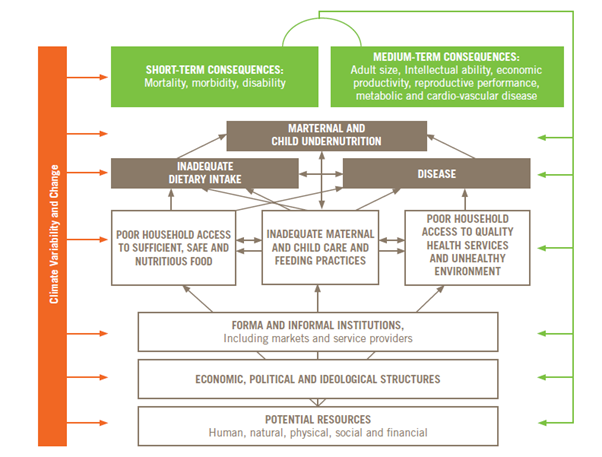
Figure 1: Conceptual framework: climate and nutrition security: WHO, 2021 [4].
The ramifications of climate change on nutritional outcomes in the future are estimated to be significant, and the exacerbation of current threats to food and nutritional security will only make it harder and more expensive to reduce undernutrition in the coming decades. Furthermore, undernutrition undermines the health and coping mechanisms of vulnerable populations, and lessens their capacities to be resilient and adapt to other consequences of climate change. The Fifth Assessment Report of the Intergovernmental Panel on Climate Change (IPCC) concludes with high confidence “that climate change will have a substantial negative impact on (i) per capita calorie availability; (ii) childhood undernutrition, particularly stunting; and (iii) undernutrition-related child deaths and DALYs (disability adjusted life years) lost in developing countries” [4].
Climate change worsens unsustainable food systems by affecting all aspects of food security: availability, access, utilisation and stability, through diverse impacts on crops, pests, diseases, weeds, pollination, forests, livestock, and aquatic food sources.
Food availability will be directly impacted by increased climate variability and long term climate change. Longer term warming, increased atmospheric carbon dioxide (CO2), and altered precipitation patterns will have wide sweeping impacts on agricultural production and livelihoods assets and increase irrigation water requirements.
This will increase heat and water stress in areas already under pressure, while increasing pests and diseases in crops and livestock, thus decreasing yields and changing the suitability of areas for food production. In southern Madagascar, four years of successive droughts have wiped out harvests and hampered access to food and the area is on the brink of experiencing the world’s first “climate change famine”, according to the UN [5].
The IPCC [6] has concluded that risks of foodborne and waterborne disease and vector-borne disease will increase, further impacting nutrition as a consequence of warmer temperatures, extreme weather, and shifting precipitation patterns. In 2019, unusual weather conditions exacerbated by climate change created conditions conducive to a desert locust outbreak which destroyed food and vegetation and jeopardised food security across Africa, the Middle East and South Asia. Recent evidence from Tanzania also identifies the association between reduced cereal (maize) yields and maternal malnutrition during pregnancy as key pathways linking heat shocks to agricultural production and subsequent child growth. Increased ocean acidification and other adverse changes to marine ecology will also affect households who rely on fish to support their livelihoods and nutrition. For example, one study has estimated a 92% reduction in coral reef habitats by 2100 due to ocean warming and acidification [7].
There is evidence that rising carbon dioxide levels from human activity may be reducing nutrient levels (protein, iron and zinc) in plant foods, particularly cereals and legumes.
These are all essential nutrients for people’s health and represent major risks to people’s health in developing nations where deficiencies in zinc, iron and protein lead to major burdens of disease. These diseases range from maternal mortality around childbirth to problems with cognitive development in children. Cereal crops are the main source of protein and micronutrients in many low-income countries.
Climate change is also one of the key drivers of biodiversity loss in agriculture, which in turn reduces the ability of the food system to respond to shocks and stresses, including further climate change.
Increased heat and water stress is also expected to increase the incidence of foodborne pathogens and mycotoxins during food storage, processing and transportation. There is a general lack of governance and policies around food safety, while the risks of food safety and increasing food waste in rural communities are especially acute as retail infrastructure and cold storage are often basic and access to water may be restricted. In addition, the various climate-related changes impacting food safety – including human, animal and vector behaviours, and changing pathogen, organism and pest survival, growth and transmission behaviours– are more likely to occur in countries where food monitoring and surveillance systems are less robust. Thus, poor detection of environmental and chemical contamination further increases the risk to public health and nutrition through the acute and chronic exposure to contaminants [8].
Access to food may reduce through climate change impacts increasing the price of food. A key determinant for access is the price of food which strongly reacts to fluctuations in global production following extreme climate-related events and longer-term reduced crop yields resulting from climate change. Resource-poor households commonly prioritize calorie-rich but nutrient-poor foods as an adaptation strategy to reduced food availability and increased food prices. In the long term, the recurrent and intense nature of such events can increasingly destabilize regional and local food systems, with a potential to trigger food crises, acute malnutrition, and even famines [4].
Furthermore according to ICCP, Climate change is contributing to humanitarian crises where climate hazards interact with high vulnerability (high confidence). Climate and weather extremes are increasingly driving displacement in all regions. Flood and drought-related acute food insecurity and malnutrition have increased in Africa and Central and South America. While non-climatic factors are the dominant drivers of existing intrastate violent conflicts, in some assessed regions extreme weather and climate events have had a small, adverse impact on their length, severity or frequency, but the statistical association is weak. Through displacement and involuntary migration from extreme weather and climate events, climate change has generated and perpetuated vulnerability [2].
Climate change, obesity and DR-NCDs
There is limited but emerging evidence that climate change will adversely affect the risk of overweight and obesity and, as a consequence, diet-related non-communicable diseases (DR-NCDs). While severe food insecurity and hunger are associated with lower obesity prevalence, mild to moderate food insecurity is paradoxically associated with higher obesity prevalence, particularly in contexts where high-energy, commercially processed foods are available at low cost. Increasing temperatures are associated with less physical activity in many parts of the world, particularly among urban populations, while price instability of fresh foods can reinforce dependency on highly processed foods, especially in the context of aggressive marketing. Climate change-induced migration, the majority of which is likely to be rural-urban migration, is predicted to become increasingly driven by food insecurity. Urbanisation has been associated with an increased risk of overweight and obesity through a combination of greater availability of energy dense, processed foods in combination with mass media marketing, and less leisure and work-related physical activity. Furthermore, in humanitarian settings, food assistance provided during an emergency response, such as to climate-induced natural disasters, can weaken long-term food and nutrition security; for example, low-quality, imported foods may persist in the local diet long after the humanitarian response has concluded.
It is likely that these and other pathways leading to climate change-induced food and nutrition insecurity will exacerbate already-changing dietary patterns, which tend to be increasingly comprised of high-energy and low-nutrient dense imported and processed foods [8].
The world’s poorest are paying the highest price
While climate change is global, impacts are local and regional, and vulnerability varies widely across communities, countries, and regions [9].
The injustice of climate change is that the people who are suffering the most—the world’s poorest—are also the ones who did the least to contribute to the problem.
In fact, recent data showed that the poorest people already suffering from the highest rates of undernutrition will be the most vulnerable to climate change (figure 2).
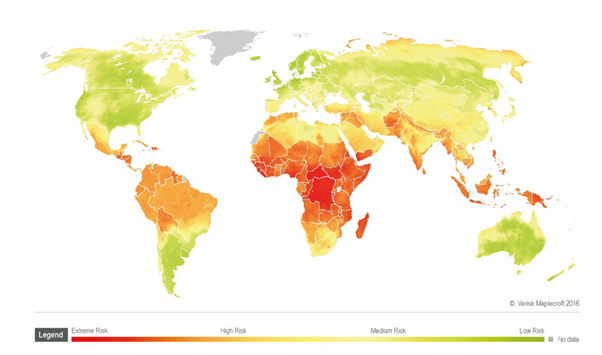
Figure 2 : Map of climate vulnerability. It shows the places that will be hit hardest by global warming, including extreme weather, drought, and sea level rise [10].
Vulnerability will increase with climate change: exposure to climate change-related effects and dependence on climate-sensitive resources will rise, as adaptive capacity decreases. They rely on small-scale rain-fed farming systems and agricultural labour as their main source of food and income, making them highly dependent on climate-sensitive natural resources. Climate change is increasingly and simultaneously eroding their livelihoods assets and access to natural resources and services, while at the same time eroding their capacity to cope with climate-related crises, and adopt sustainable solutions to climate change. The hungry poor, especially women and children, are already the main victims of the changing climat. Indeed, when facing a disaster, people have no choice but to resort to negative coping strategies (reduction of food intake, sale of productive assets etc.) that hinder their resilience, increase their vulnerability to climate threats, and exacerbate their food and nutritional security (figure3). Undernutrition undermines the ability and capacity of vulnerable populations to implement resilient climate coping strategies [11].
Conclusion & way forward
Climate change is affecting malnutrition rates around the world through multiple channels. In regions experiencing historic levels of drought, like the Horn of Africa, millions are suffering from near-famine. Elsewhere, climate change is increasing the incidence of diseases that contribute to malnutrition. Climate change can also diminish the nutritional value of crops, and climate change can affect families’ livelihoods, reducing their incomes and making nutritious foods less affordable.
As appointed by EU experts 14, To tackle the risk of severe and frequent climate related disasters, greater science – policy interface based on improved knowledge, stronger evidence and a greater focus on Disaster Risk Reduction and Climate Change Adaptation are essential.
Adaptation, in response to current climate change, is reducing climate risks and vulnerability mostly via adjustment of existing systems. Many adaptation options exist and are used to help manage projected climate change impacts, but their implementation depends upon the capacity and effectiveness of governance and decision-making processes.
Timely and well-designed adaptation actions have the possibility to avoid these dramatic issues by mitigating theimpacts of climate change on the most vulnerable through preparedness, risk reduction, both applied to the livelihoods and the organization of society.
Effective adaptation options, together with supportive public policies enhance food availability and stability and reduce climate risk for food systems while increasing their sustainability. Effective options include cultivar improvements, agroforestry, community-based adaptation, farm and landscape diversification, and urban agriculture. Institutional feasibility, adaptation limits of crops and cost effectiveness also influence the effectiveness of the adaptation options. Agroecological principles and practices, ecosystem-based management in fisheries and aquaculture, and other approaches that work with natural processes support food security, nutrition, health and well-being, livelihoods and biodiversity, sustainability and ecosystem services.
References:
[1] FAO, IFAD, UNICEF, WFP & WHO, 2023. The state of food security and nutrition in the world :Urbanization, agrifood systems transformation and healthy diets across the rural–urban continuum. https://www.fao.org/publications/home/fao-flagship-publications/the-state-of-food-security-and-nutrition-in-the-world
[2] IPCC, 2022. Climate Change 2022: Impacts, Adaptation and Vulnerability Working Group II Contribution to the Sixth Assessment Report of the Intergovernmental Panel on Climate Change
[3] Word Food Programme, 2021. Climate impacts on food security and nutrition. https://documents.wfp.org/stellent/groups/public/documents/communications/wfp258981.pdf
[4] World Health Organization, 2021. Technical series on adapting to Climate Sensitive Health Impacts – Undernutrition. https://www.who.int/publications/i/item/9789241515566
[5] BBC. (2021). Madagascar on the brink of climate change-induced famine. www.bbc.co.uk/news/world-africa-58303792
[6] IPCC. (2014). Climate change 2014: Impacts, adaptation, and vulnerability. Working Group II contribution to the fifth assessment report of the Intergovernmental Panel on Climate Change. New York; Cambridge University Press.
[7] Speers, A.E., Besedin, E.Y., Palardy, J.E., & Moore, C.,2016. Impacts of climate change and ocean acidification on coral reef fisheries: An integrated ecological-economic model. Ecological Economics, 128, 33–43.
[8] Emergency Nutrition Network, 2021 Nutrition and climate change: Current state of play: Scoping review. https://www.ennonline.net/nutritionandclimatechange
[9] Archibald, C.L., Butt, N. Using Google search data to inform global climate change adaptation policy. Climatic Change 150, 447–456 (2018). https://doi.org/10.1007/s10584-018-2289-9
[10] Williams J., 2018. Two maps: climate responsibility and climate vulnerability. https://earthbound.report/2018/06/28/two-maps-climate-responsibility-and-climate-vulnerability/
[11] ACF-INTERNATIONAL, 2014. Who cares about the impact of climate change on hunger and malnutrition? A plea to the international community to ensure food and nutrition security for the most vulnerable in a changing climate.
[12] European Union EU: https://joint-research-centre.ec.europa.eu/jrc-news-and-updates/inform-climate-change-risk-2022-01-12_en